Top 6 Peruvian Superfoods
James Bustamante is Native to New York but born to Peruvian parents. He has been traveling throughout Latin America since early 2003 and finally made his home in Peru. James has made his way by eating and traveling through almost every country in Central and South America.
Last Updated on August 11, 2020 by James Bustamante
There is a lot of information out there about Peruvian superfoods, we however have decided to make a more condensed list of the most likely superfoods you’ll encounter while in Peru.
Try some of these out before attempting your Machu Picchu hike or taking the Inca trail across the Andes for added energy and well being. Check out the top 6 Peruvian Superfoods!
Table of Contents
Aguaymanto
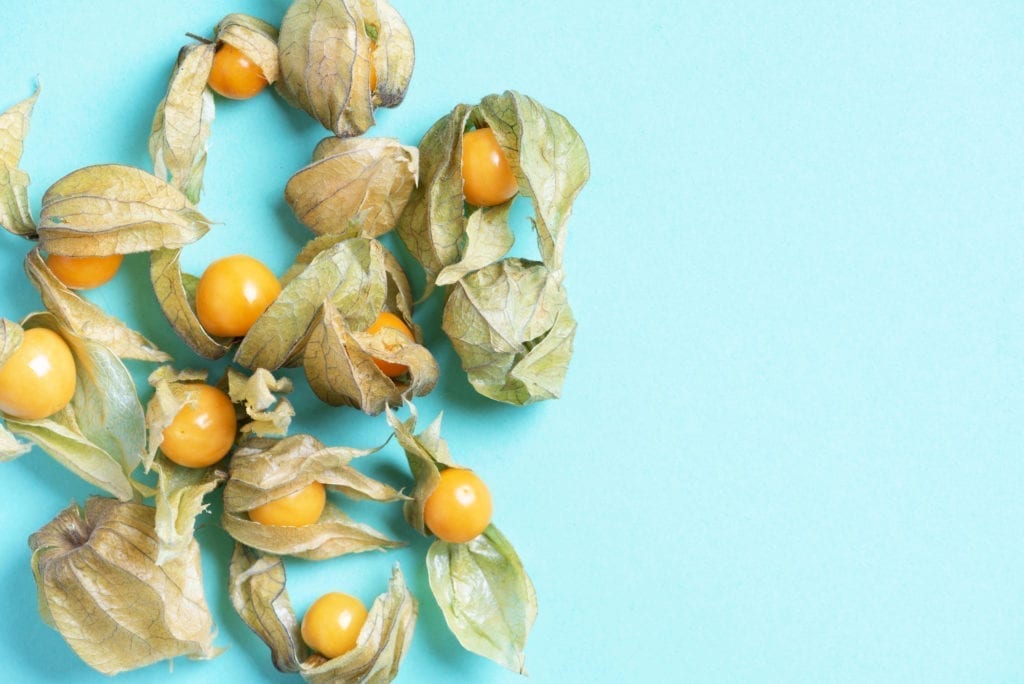
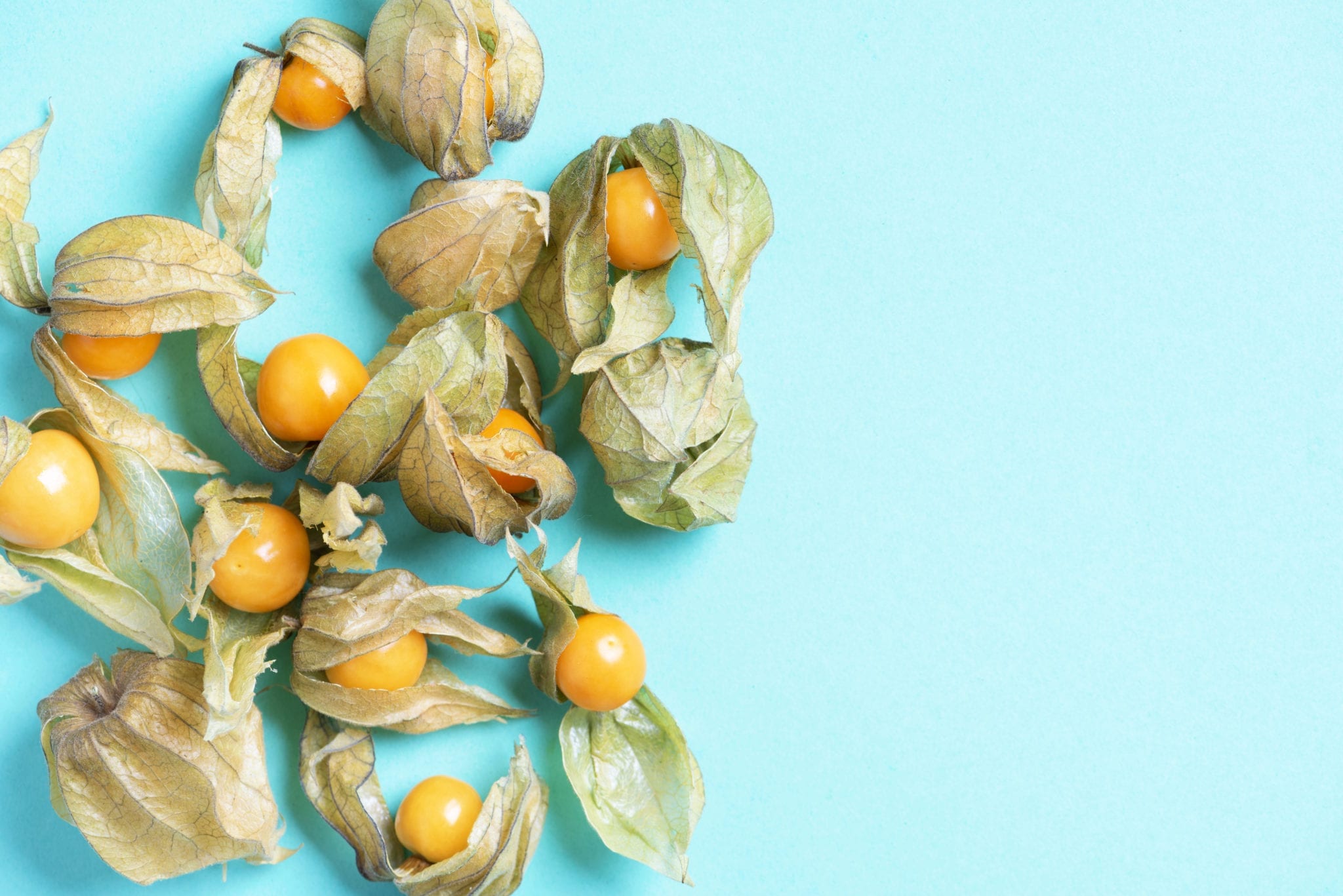
Aguaymanto is also called gooseberries or golden berries by some.
They are considered as one of the top Peruvian superfoods for a variety of reasons.
Visually they have an amber color and are somewhat larger than most other berries.
Aguaymanto can be found in almost all street markets and supermarkets around Peru.
This wasn’t always the case though. Aguaymanto because more mainstream once people around the world heard about the superfood and all it’s benefits.
This ignited the production of this berry at a national level.
The Benefits of Aguaymanto
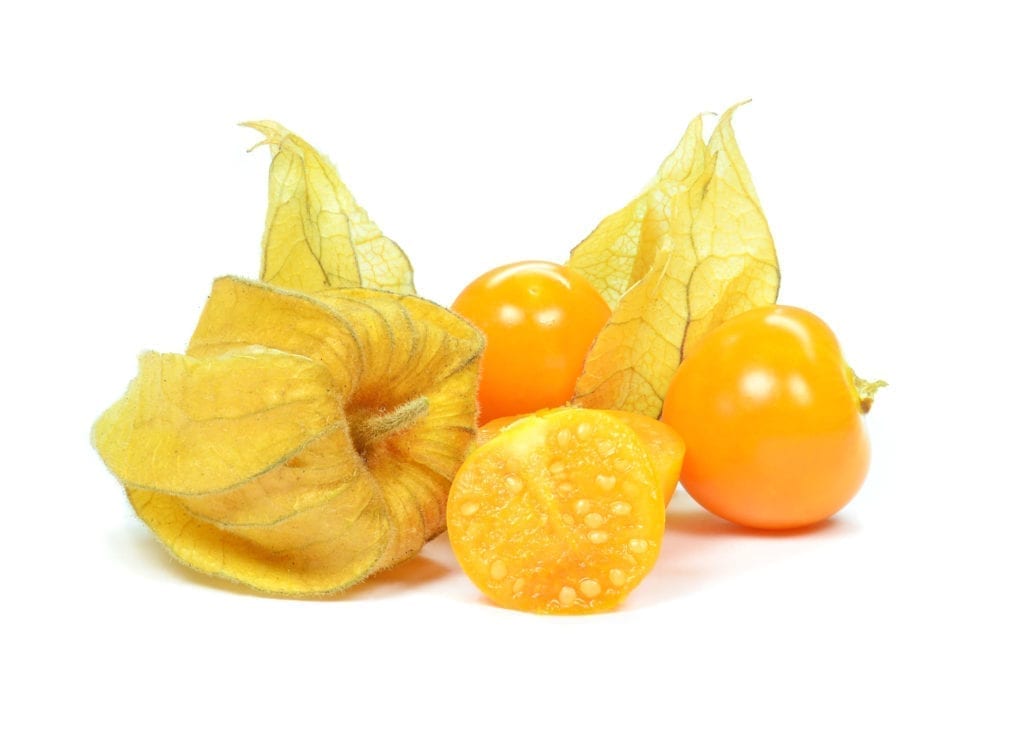
Studies show that as Peruvian superfoods, Aguaymanto can boost your immune system due to the high content of antioxidants, vitamin A, vitamin C, phosphorus, and potassium.
These antioxidants seem to help in antiaging at the cellular level, they also help in assisting cardiovascular functions in the body.
There are even studies on this Peruvian superfood which indicate it helps in the reduction of the bad cholesterol in our systems.
Aguaymanto is also considered in the list of Peruvian superfoods due to its energizing effect.
It is recommended for children, students, and athletes since it has such high values of vitamin A, B-complex, and lastly vitamin C.
Aguaymanto also contains a good concentration of protein and phosphorus, these are important for a healthy diet and organ function.
The flavor of the Aguaymanto can be described as a bit bitter/sweet with an unmistakable aroma. This superfood is also quite versatile due to its flavor.
It can be eaten in its natural state or in a fresh salad.
There are also several desserts, drinks, marmalades, yogurts, ice cream, and even alcoholic beverages made with the delicious Peruvian Aguaymanto.
Aguaymanto Nutritional Analysis
| Components | Per 100g | Daily values(2000 calorie diet) |
|---|---|---|
| Moisture | 78,90% | |
| Carbohydrates | 16 g | 300 g |
| Ash | 1 g | |
| Fiber | 4.9 g | 25 g |
| Total Fat | 0.16 g | 66 g |
| Protein | 0.05 g | |
| Ascorbic acid | 43 mg | 60 mg |
| Calcium | 8 mg | 162 mg |
| Carotene | 3.000 iu | 5.000 iu |
| Phosphorus | 55.30 mg | 125 mg |
| Iron | 1.23 mg | 18 mg |
| Niacin | 1.72 mg | 20 mg |
| Riboflavin | 0.03 mg | 1.7 mg |
Peruvian Maca The Superfood
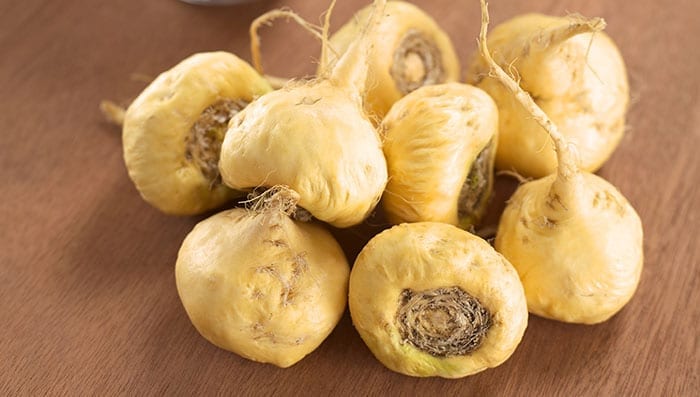
There is a lot of mystery going around about the Maca root. It’s garnered quite the popularity in recent years and with good reason.
This Peruvian superfood continues to amaze researchers the longer it is studied.
This plant is native to the Andes and possesses quite a few health benefits due to its nutritional and medicinal properties.
In 2018 the sales of Maca soared, there were apparently 2,913 tons of Maca and Maca products shipped and valued at $12.9 million dollars.
Maca Exports: https://revistamercados.com/peru-exhibe-su-crecimiento-en-producto-ecologico-en-la-feria-biofach/
Most of the shipments were destined for the United States of America as it seems to be a huge consumer of Mara and Maca products.
Benefits of Maca
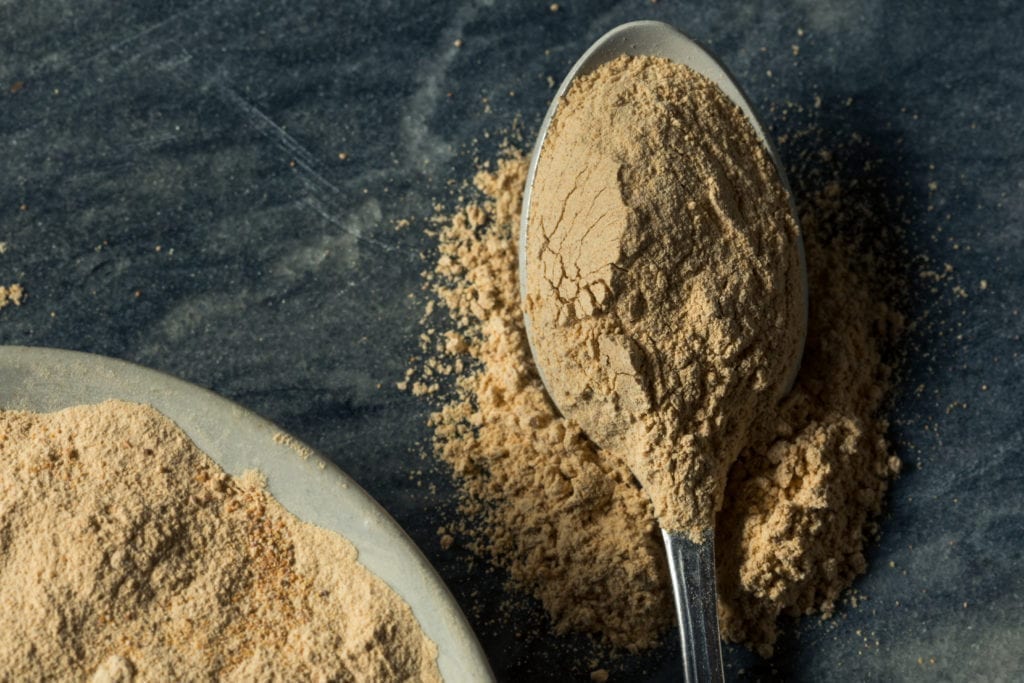
The consumption of this Peruvian superfood (along with a balanced diet) is associated with a lower body fat percentage along with lower blood pressure.
This is apparently due to having good quantities of potassium, this nutrient is important in the reduction of hypertension.
Peruvian Maca is also said to stimulate the endocrine system and assist in maintaining hormonal balance in a way not fully understood yet.
There are also studies that show a decrease in human depression and seems to also have an effect in dealing with anxiety.
Maca the Peruvian Superfood has been used traditionally as an energy booster among the natives.
It has properties that bring mental and physical equilibrium, vitality, and help with resistance training in athletes.
Properties of Maca
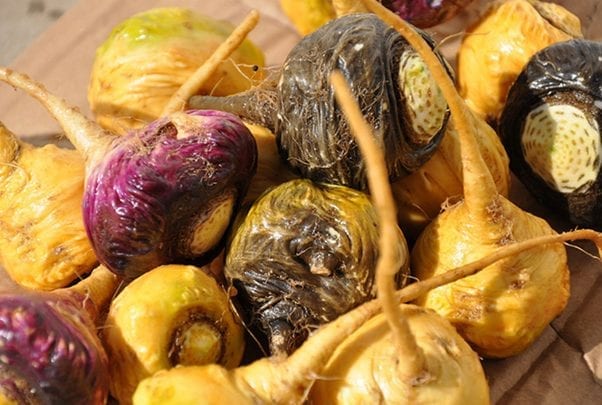
Some of the many properties of Maca include the ability to assist in recovery after strenuous physical activities.
It helps in providing vigor, energy and hormonal equilibrium. It has been used in the promotion of male virility for as long as it has been used.
Maca is also a great source of amino acids, it has 7 of the 8 essential amino acids which serve as a transport for nutrients in our body.
This Andean root also possesses minerals such as calcium, magnesium, phosphorus, potassium, sulfur, sodium, iron, zinc, magnesium which are all related to strong bones and hormone production.
Peruvian Maca Nutritional Analysis
| Components | Por 100g |
|---|---|
| Moisture | 15.3% |
| Protein | 10.2 g |
| Ash | 4.8 g |
| Total Fat | 2.2 g |
| Fiber | 8.5 g |
| Carbohydrates | 59 g |
Quinoa
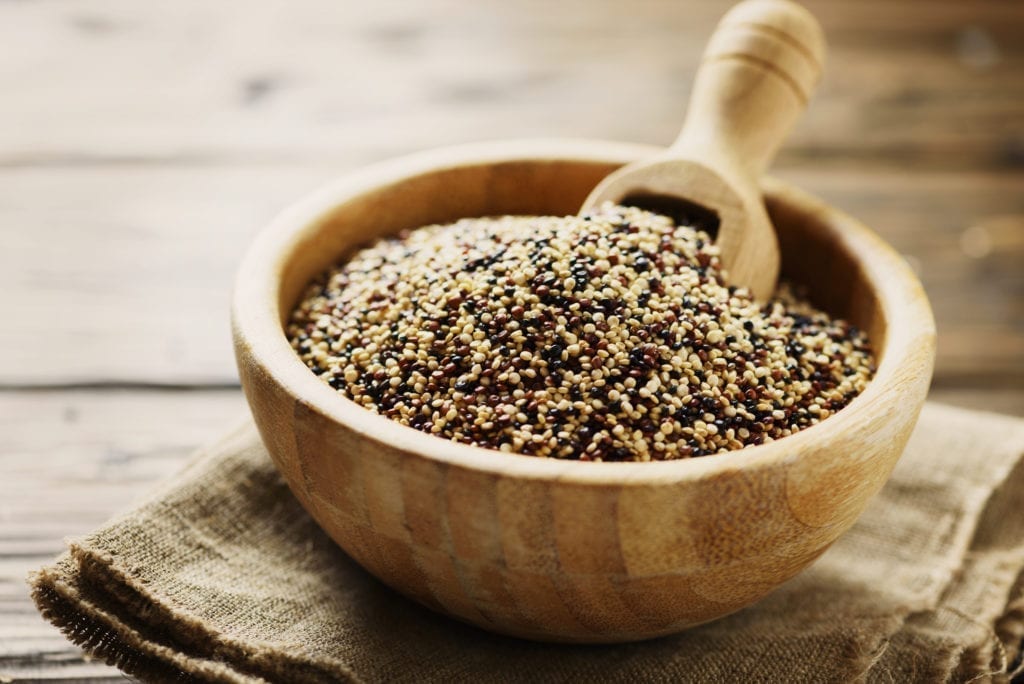
Quinoa is the next Peruvian superfood on our list of the top 6. There are over 3,000 known varieties of Quinoa scattered throughout the Andes mountain range.
Quinoa is considered a “complete food” due to its high concentration of nutrients. So much so that NASA included Quinoa meals as part of long space missions for astronauts!
Since it is a cereal it has the ability to soak up water, this aids in slowing down the digestive process making you feel full longer.
Quinoa is also an ingredient we use in our meal plan for travelers taking multi-day hikes that travel to Machu Picchu across the Andes.
It’s great for an energy boost and the nutritional profile is amazing.
Benefits of Quinoa
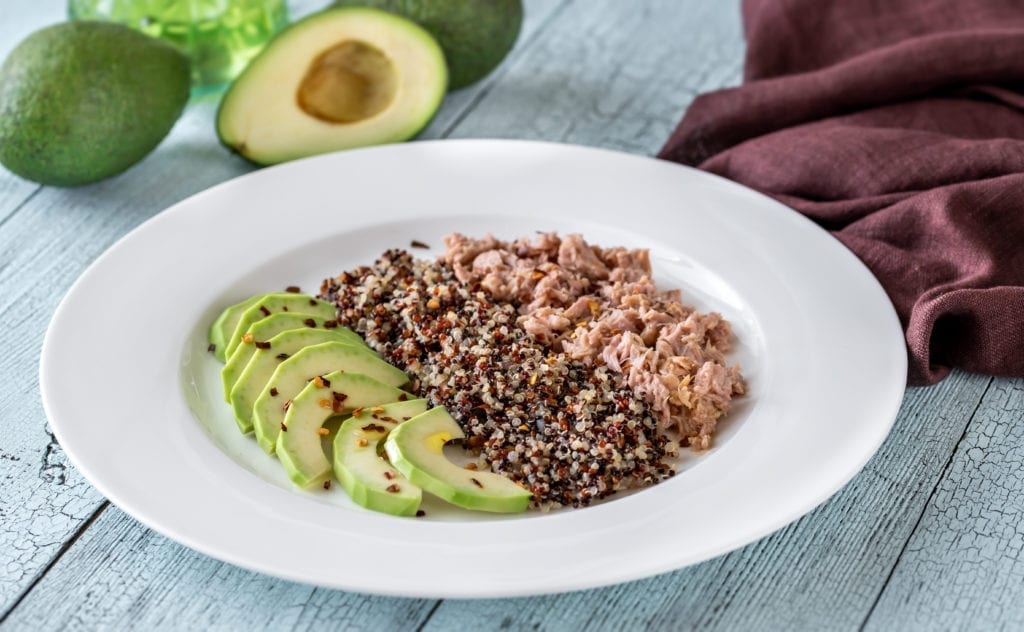
This Peruvian superfood provides protein, healthy fats, minerals, unsaturated fats, calcium, iron, and magnesium.
Peruvian Quinoa also has a wide assortment of vitamins such as vitamin E, B1, B2, and niacin as well as phosphorus.
Quinoa also has a high percentage of dietary fiber, almost 7 grams for every 100 grams of Quinoa consumed.
This aids in feeling satiated after consuming a meal containing a moderate amount of Quinoa.
Peruvian Maca Nutritional Analysis
| Components | Per 100g |
|---|---|
| Moisture | 12.65% |
| Protein | 13.81 g |
| Total Fat | 5 g |
| Ash | 3.36 g |
| Carbohydrates | 60 g |
| Cellulose | 4.4 g |
| Fiber | 4 g |
Sacha Inchi or Inca Peanut
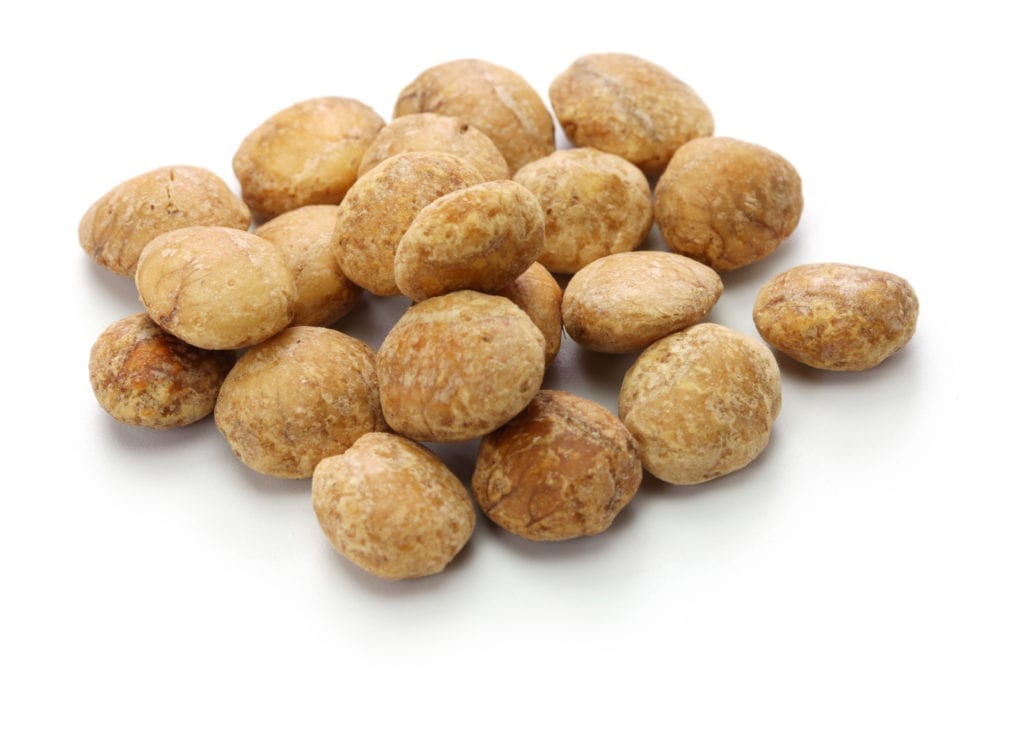
Sacha Inchi is a plant native to the Peruvian Amazon rainforest region.
This Peruvian superfood is also known as the Sacha peanut, mountain peanut, Inca nut, or Inca-peanut.
It is a perennial plant in the family Euphorbiaceae, having small trichomes on its leaves.
It was considered a very important crop during the reign of the Inca empire.
This “Inca nut” nut is praised for its good content of essential fatty acids, it is an important source of omega 3,6 and 9 and its profile is apparently better balanced than fatty fish.
Benefits of Sacha Inchi
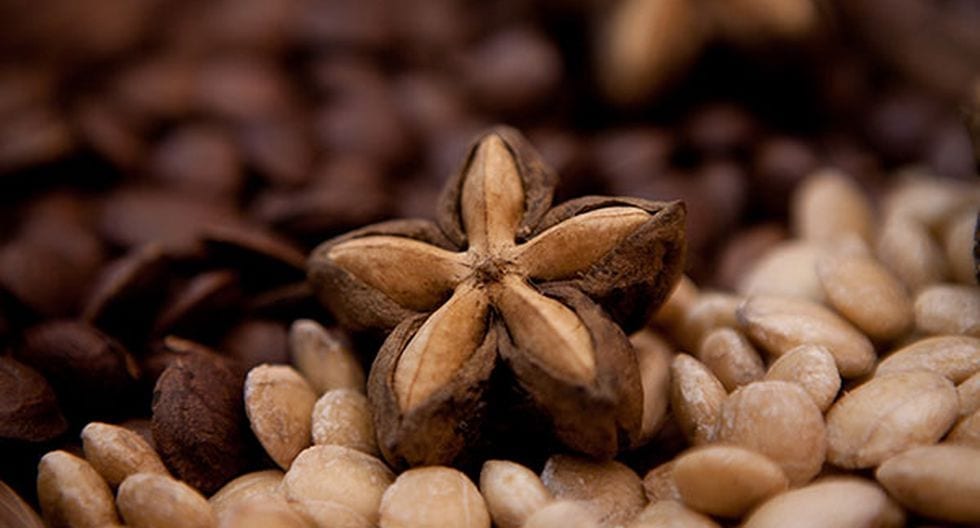
The consumption of this superfood has multiple benefits for the human body.
The essential oils found in Sacha Inchi have been shown to help alleviate irritable bowel syndrome (IBS).
The high omega 3 content has been proven to lower triglycerides levels in the body.
Sacha Inchi Nutritional Analysis
| Components | Per 100g |
|---|---|
| Moisture | 5.6 g |
| Protein | 24 g |
| Total Fat | 43 g |
| Fiber | 16.5 g |
| Ash | 7.7 g |
| Carbohydrates | 2.8 g |
Lucuma
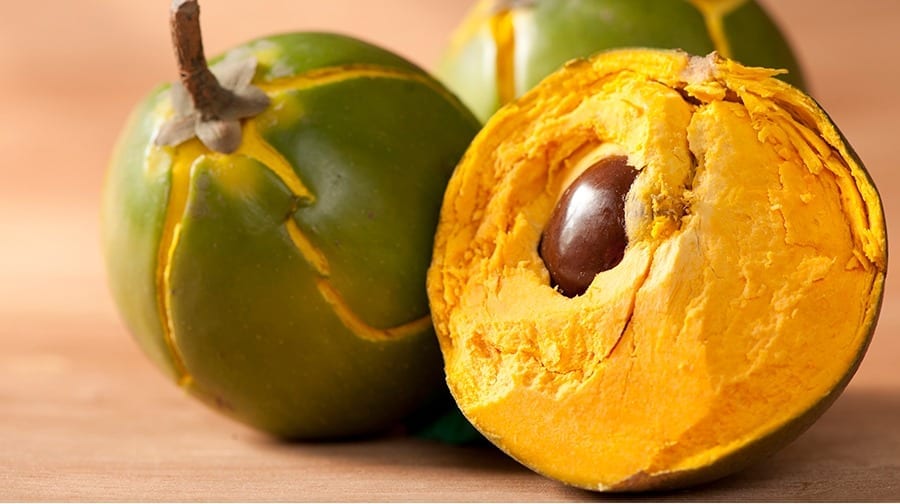
Lucuma is a Peruvian superfood of Andean origin as are many of the items on our list.
This Peruvian fruit not only delights us with its very unique flavor since it has some amazing nutritional properties.
According to Peruvian historians, the use of the superfood lucuma comes from pre-Inca times.
Various ceramic and fabric pieces show Pieces representations of this fruit, this includes cultures such as the Nazca and Moche.
The largest concentration of this grainy fruit can be found in regions like Ayacucho, Cajamarca, Ancash, Moquegua, and Lima.
The Lucuma fruit flourishes in the lower areas in the highland region, it also grows rather well from sea level to over 10,000 feet above sea level(3,000 meters).
Lucuma can grow quite well in a wide margin of temperatures as long as the climate is very humid.
Correct temperatures for the Lucuma to flourish range from 46 to 81 degrees Fahrenheit (8 to 27 degrees Celsius) and humidity of 80% to 90%.
Lucuma is a very calorie-dense fruit so it’s quite filling and provides a good portion of energy.
Peruvian Lucuma is also a great source of potassium, vitamin B3 and carotenoids.
Just a few services of this amazing Andean fruit and you should have enough energy to carry out normal daily activities.
Thanks to Lucuma being an important and rich source of niacin (vitamin B3), it is considered a good stimulant for a properly functioning nervous system.
Benefits of Lucuma
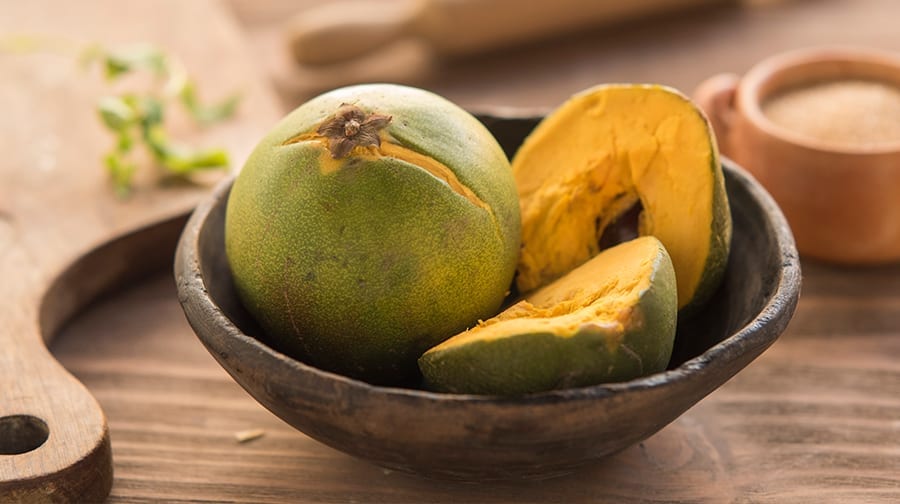
As we mentioned, Lucuma is a great source of carbohydrates, vitamins, and minerals.
It also contains beta carotene which boasts antioxidants and has been linked to the prevention of heart diseases as well as certain types of cancer.
Lucuma Nutritional Analysis
| Components | Fresh pulp per 100 g |
|---|---|
| Moisture | 73% |
| Calories | 99 |
| Protein | 1.5 g |
| Fiber | 1.3 g |
| Total Fat | 0.5 g |
| Ash | 0.7 g |
| Calcium | 16 mg |
| Phosphorus | 26 mg |
| Iron | 0.4 mg |
| Carotene | 2.3 mg |
| Thiamin | 0.01 mg |
| Niacin | 1.98 mg |
| Ascorbic acid | 2.2 mg |
| Riboflavin | 0.14 mg |
Camu Camu
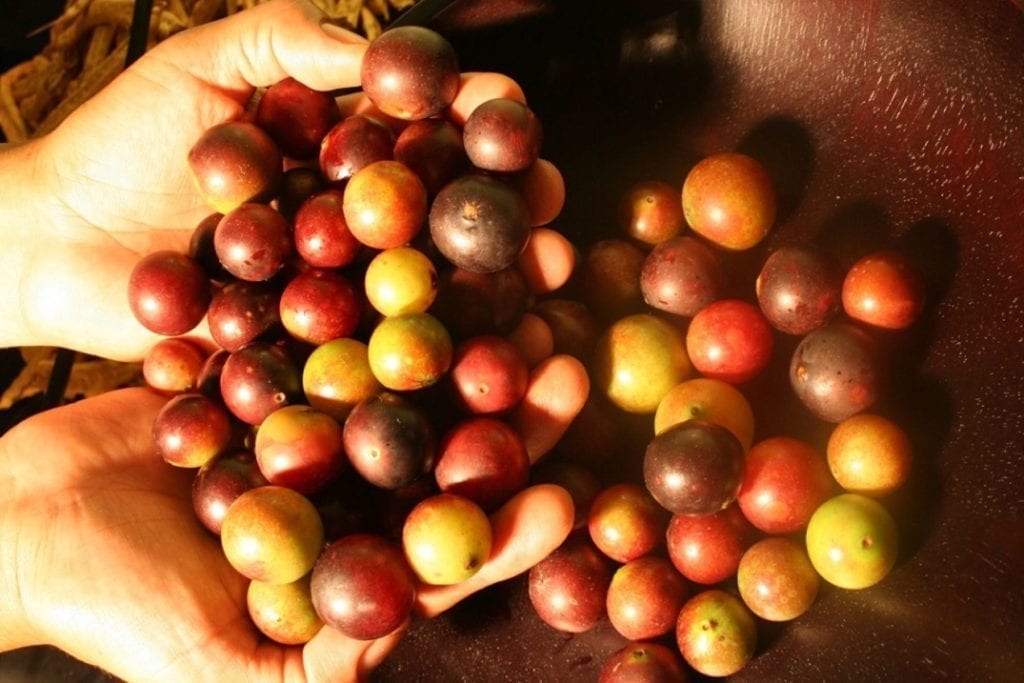
The Camu Camu is next on our list of the top 6 Peruvian Superfoods. This small fruit comes from the Amazon rainforest and has smooth red skin.
It may look sweet, however, the Camu Camu has a rather sour taste.
This small Peruvian superfood belongs to the Myrtaceae family and boasts a high content of vitamin C.
The vitamin C content is even higher than fruit with high concentrations of ascorbic acid such as oranges, lemons, and limes.
Benefits Of Camu Camu
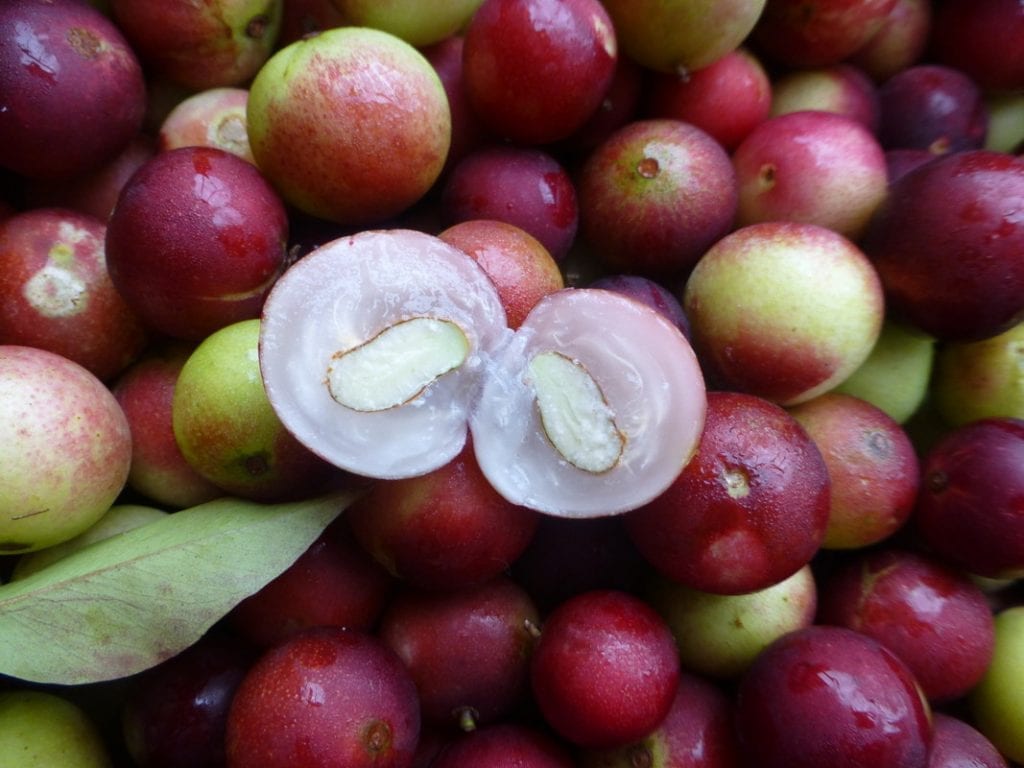
The Camu Camu fruit is full of amino acids such as serine, valine, and leucine, as well as other nutrients such as sodium, potassium, calcium, zinc, magnesium, manganese, and copper.
As mentioned before, this fruit contains a high amount of vitamin C, roughly 10 times more than an orange and 40 times more than lemons and limes.
This Peruvian superfood also has some unique properties thanks to this wide profile of vitamins and minerals.
The Camu Camu has been used as an antiviral and anti-flu fruit, it also seems to help fight against cold sores, zoster, the flu, and the common cold.
Camu Camu has also been shown to help the digestive system, due to its serine component.
It also has good levels of ascorbic acid, calcium, iron, riboflavin, niacin, potassium, and phosphorus, thus improving functions in the human body.
Camu Camu has been shown to improve cardiovascular functions as well.
Just a 100-gram portion of Camu Camu will add 7.1 milligrams of potassium which has been shown to improve hypertension.
Camu Camu Nutritional Analysis
| Components | Per 100 g |
|---|---|
| Calories | 17 |
| Moisture | 94.4% |
| Carbohydrates | 4.7 g |
| Protein | 0.5 g |
| Fiber | 0.6 g |
| Ash | 0.2 g |
| Calcium | 27 mg |
| Phosphorus | 17 mg |
| Iron | 0.5 mg |
| Thiamine | 0.01 mg |
| Riboflavin | 0.04 mg |
| Niacin | 0.062 mg |
| Ascorbic Acid | 2.780 mg |
If you’d like to have a chance to try some of these superfoods over a Peru tour package visiting the Coastal, Highland and Amazon regions let us know and we’ll send you a free itinerary for you to review.
Our Travel Experts are ready to make sure your Machu Picchu reservations are made and Peru accommodations are booked!
Frequently Asked Questions About Peruvian Superfoods
Can Maca be Eaten Raw?
No. Maca needs to be prepared in a different ways to make it apt to consume. A little bit of Maca goes a long way.
What does Maca taste like?
Maca on its own will have a bitter taste. There are several recipes which use maca such as smoothies, desserts and several others.
Can I travel back to my country with Maca root I purchased in Peru?
No. Maca is considered an important local crop so it is prohibited to travel with the raw Maca in root form. There are dogs specially trained at the airport in Lima to sniff out and find raw Maca root in peoples luggage.
Where can I find Camu Camu in Lima?
If you want to find Camu Camu you should go to outside markets or street markets. You probably won’t find Camu Camu in supermarkets in Lima.
Are Goose berries similar to Aguaymanto?
Yes. Aguaymanto is called goose berry, golden berry and Inca berry in different places.
How do you prepare Quinoa?
There are several recipes out there but the key thing to consider is that Quinoa will always need to be boiled first.