


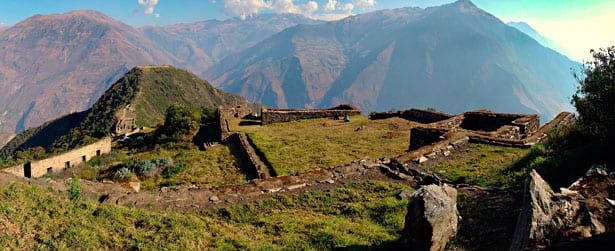
The Choquequirao Trek
James Bustamante is Native to New York but born to Peruvian parents. He has been traveling throughout Latin America since early 2003 and finally made his home in Peru. James has made his way by eating and traveling through almost every country in Central and South America.
Last Updated on March 22, 2020 by James Bustamante
Machu Picchu is by far the most famous destinations in Peru, and possibly both North and South America. However, the Valley of the Inca has much more to offer the discerning archeology connoisseur. During your Machu Picchu travel itinerary you will be able to add other less known about hikes.
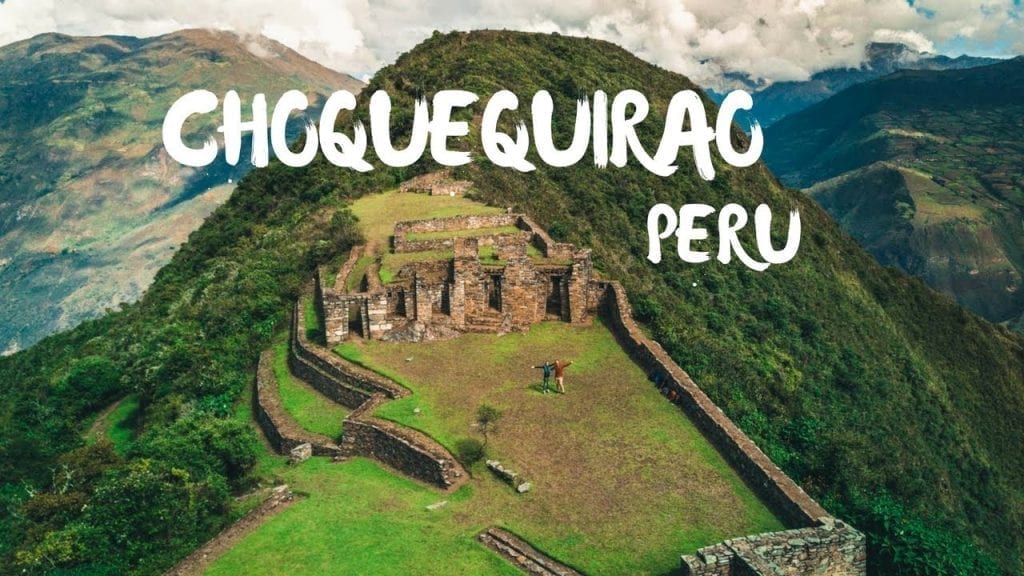
The crown jewel of these other overlooked sites is Machu Picchu’s “sister” Choquequirao and the infamous Choquequirao Trek. The Choquequirao trek can be found in the Southern reaches of Peru.
Table of Contents
Choquequirao Trek Discovery
Unlike Machu Picchu, Choquequirao was not thoroughly explored and excavated until the 1970s.
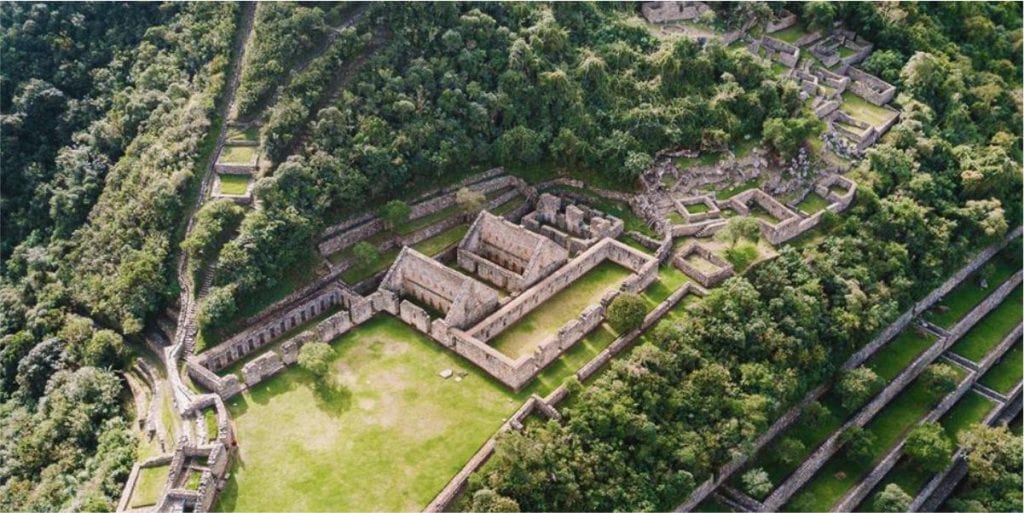
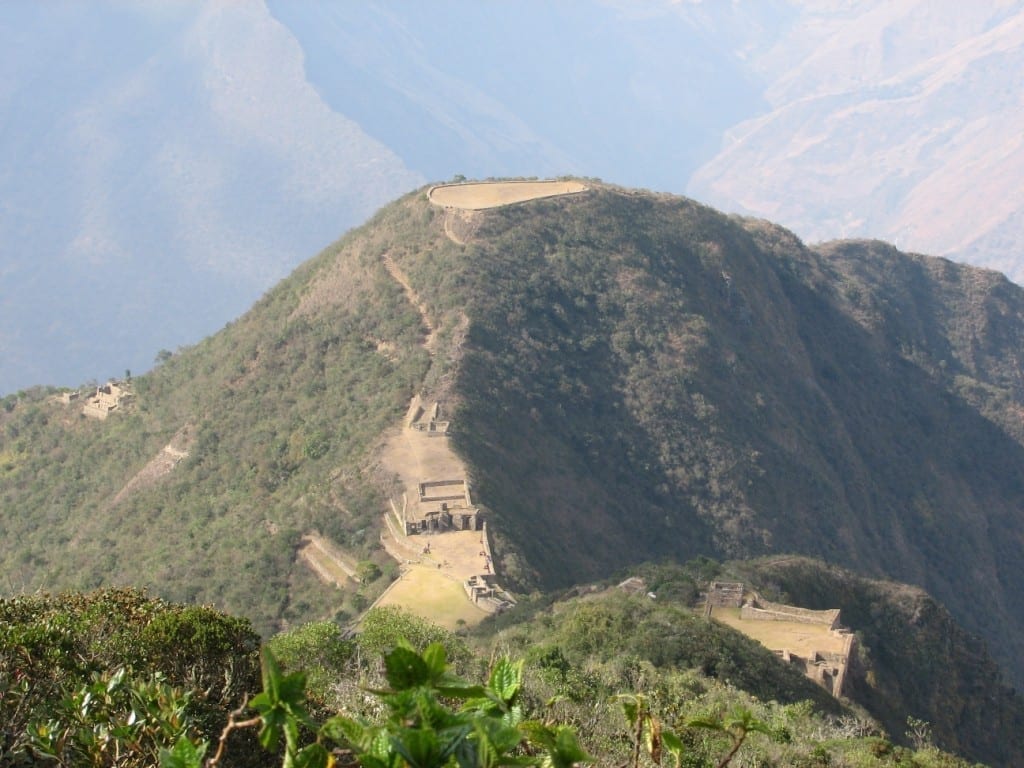
It is an Incan site similar in structure and architecture to Machu Picchu, not an easy comparison to make but it is definitely founded. The ruins are buildings and terraces at levels above and below Sunch’u Pata, the truncated hill top.
The hilltop was anciently leveled and ringed with stones to create a 30 by 50 m platform.
Choquequirao (3050 m) can be found at the beginning of the Willkapampa mountain range in the La Convención Province of the Cusco Region above the valley of river Apurímac. At over 1800 hectares, it is quite a large site.
Most visitors speak of its awe inspiring beauty, with incredible mountain ranges and covered with Amazonian flora and fauna. Architecturally it is similar to Machu Picchu.
The main structures, such as temples, wak’as, elite residences, and fountain/bath systems are concentrated around two plazas along the crest of the ridge, which encompass approximately 2 km2 and follow Inca urban design.
There is also a cluster of buildings a ways from the plaza, probably used for workshops and food preparation. Most buildings are well-preserved and are continually restored.
The archaeological complex of Choquequirao is divided into 12 sectors. While the contents of each sector are different, terraces used for various purposes are common throughout.
It seems that most of the buildings here were either for ceremonial purposes, residences of the priests, or used to store food.
How to Reach The Choquequirao Trek?
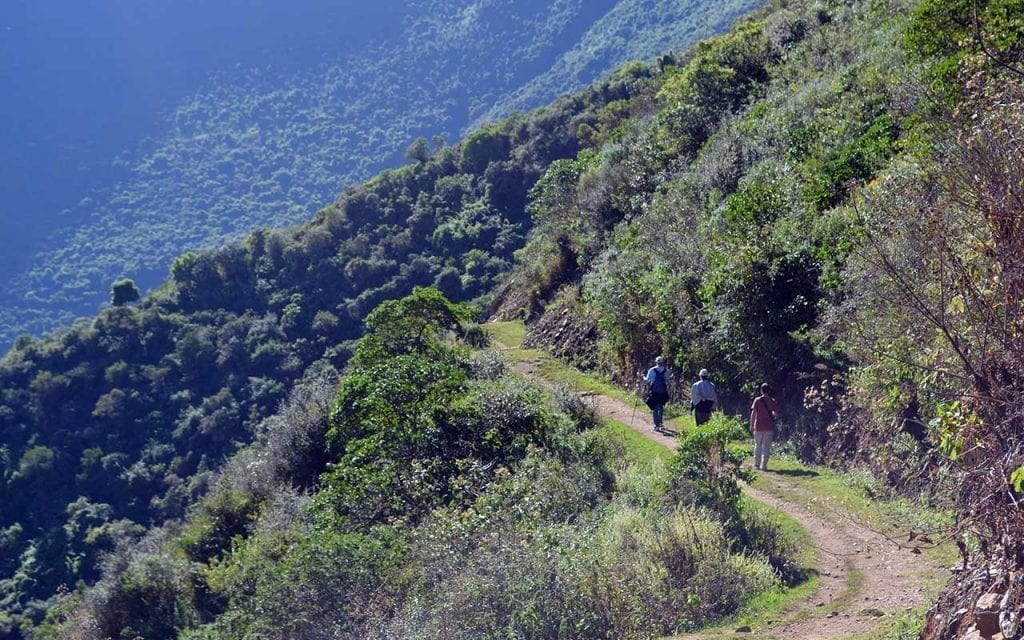
Treks to Choquequirao start from the village of Cachora, which is a 4-5 hour drive west of Cusco city. You can take a bus towards Abancay from the Central Terminal, after the short ride you can descend to Cachora.
The route usually goes from Cachora through the Apuramic Valley to Chiquisca where most trekkers stay overnight. From Chiquisca, the trail continues along the Apurimac River before ascending to Santa Rosa and then onto Marampata. Choquequirao is a little way on from Marampata.
What is The best Time to Take The Choquequirao Trek?
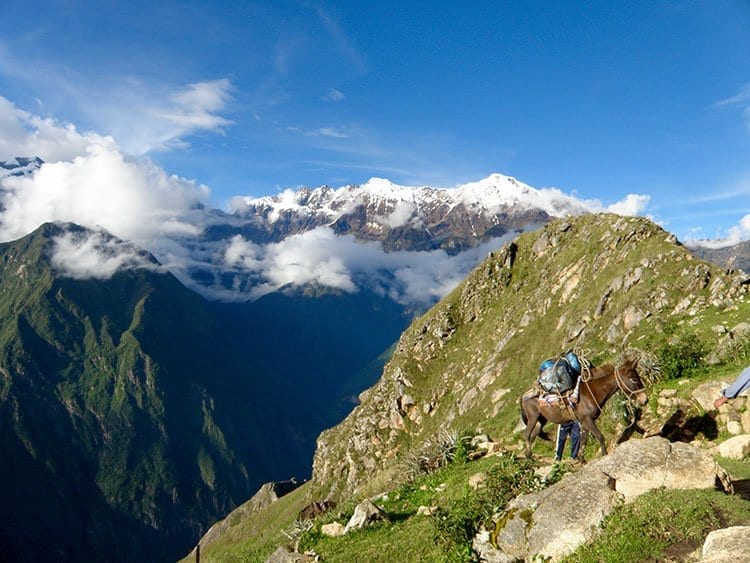
Summer Months: December to March – tends to have the most rain, a bit harder of a time hiking in the mountains.
On the plus side there are less tourists that throughout most of the year as it forms part of the low season.
The Sacred Valley and Cusco are located high in the mountains, as a result temperatures have little seasonal difference with nights being a little warmer.
Winter Months: June to Augusts – very little rain and nights are a bit colder with days still being fairly warm.
It also has more tourists due to the holidays in the northern hemisphere and it being part of the dry season. The sights tend to be much more crowded and it gets more difficult to reserve hotels accommodations.
Traveler’s Tip: We advise going during the months of April, May September or October as the number of tourists is not as high as in other dry season months, less rain and nights are a bit warmer.
Now, this trail is among the most difficult so it is highly advised that you join organized tours that include a guide, camping equipment, mules to carry gear, a cook to prepare food as well as anything else you may need on the trek.
Believe me, you’re going to be happy you don’t have to worry about any extras. Once you reach Choquequirao, you can actually continue hiking to Machu Picchu, but most trek itineraries differ so it’s really up to you.
Most treks range from 7-day to 11-day hikes, and involve going over the Yanama Pass, which at 4,668m is the highest point on the trek. You will need to be well acclimatized for this trek to avoid altitude sickness.
Even though this trek is fairly long, over 6,000 people trek de Choquequirao every year.
What Should you be Aware of Before Taking the Choquequirao Trek?
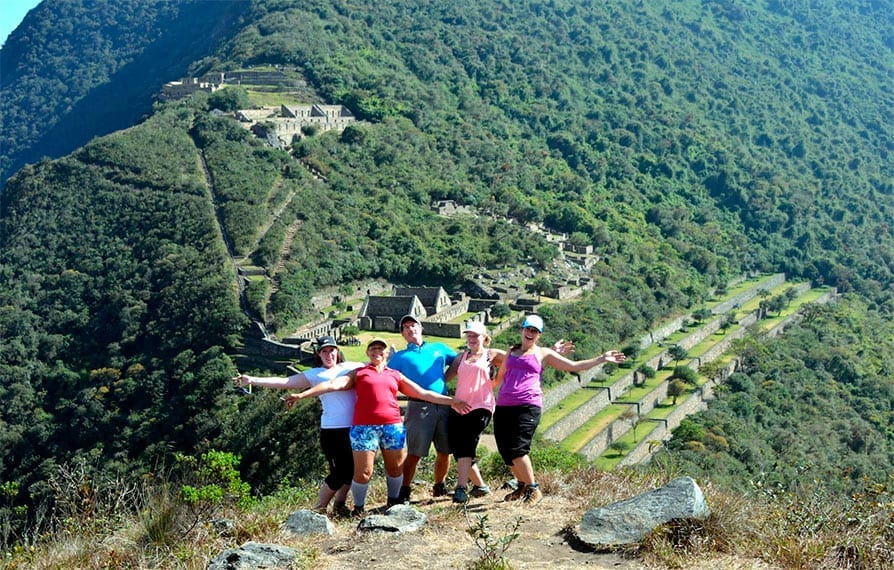
As it is one of the most difficult treks to Machu Picchu, various risks are involved. This includes injuries due to the long stretches of trek, losing or breaking gear, unpredictable weather conditions, among others.
Your trek will go through remote and difficult to access areas, with some only being accessible on foot or on a horse/donkey, the Peruvian Andes has a huge variety of terrain.
During the Choquequirao Tree Do You Carry your own Backpack or Take a Horse?
As mentioned before, its difficulty mainly lies in its length, so this point is completely up to you. If you are taking a backpack make sure that it is not too heavy, this will make your trek much easier.
However, hiring a horse will take care of that, you would only have to worry about taking the trek. It really comes down to your experience as a hiker.
Choquequirao Trek Packing List
Here are some of the items we include in the packing list when travelers book one of our Peru tour packages.
1. Your Passport: You’ll of course need your passport to get into Peru, but you’ll also need your passport when you start on the trek.
2. Proper Hiking Attire: You’re going to want an ample supply of underwear and socks, hiking/athletic pants that can zip off into shorts if necessary. You should bring both short and long-sleeved shirts, and also a light jacket.
You should also have some cold weather gear for the nights, including hats, gloves, and scarves – especially if you’re designing your packing list for the colder parts of the year.
3. Proper Footwear: Whether you choose to bring hiking boots or a hiking shoe/boot hybrid, absolutely make sure they’re waterproof! Make sure whatever you’re wearing fits well and is somewhat worn in, as blisters on a four-day trek are no fun at all.
4. Other Waterproof Goods: Once again, even if you’re trekking during the dry season, don’t forget the rain gear! A poncho or rain jacket as well as some plastic bags to separate your wet clothes from your dry ones are absolute musts for your packing list.
5. Sleeping Bag: Considering that this will be the source of your rest and relaxation every night of your trek, you shouldn’t neglect to choose an appropriate sleeping bag for your journey.
We recommend a four-season bag regardless of what time of year you’ll be visiting Peru.
6. Toiletries: These include toilet paper, moist wipes, deodorant, soap, toothbrush/toothpaste, sunblock, chap-stick
7. Flip-flops (thongs/sandals): They can be useful for relaxing and allowing your feet to breathe for a bit in the evenings.
8. Water Bottles/Snacks: Though food and water will be supplied, you’re more than likely to find yourself thirsty or with some hunger pangs as you trek throughout the day.
9. First-Aid Kit/Personal Medications: These are provided but it can’t hurt to carry a basic first-aid kit on your person during your trek.
10. Flashlight (torch): This item is easy to forget but is a necessity for navigating around your campsite after dark.
11. Electronic Goods: cameras, batteries, etc.
12. Cash: for any extras such as extra snacks, water, etc.
As with any Journey Machu Picchu trek, all Machu Picchu reservations are already provided so you won’t need to worry about getting tickets to Machu Picchu.
Peru is definitely full of exciting treks and trails, ready for any adventurer.
Don’t forget to check the treks and trails section on the website where you can find the best deals on the greatest treks such as the Inca Trail or the Salkantay Trek.
Frequently Asked Questions About Choquequirao Trek
What is Choqueqirao?
Choquequirao is considered to be the sister location of the world renowned Machu Picchu.
Where is Choquequirao?
Choquequirao is a little way on from Marampata.
How do you get to Choquequirao?
You can go on your own or you can reach it as part of a package. We provide a full package that includes everything you need while on your trek.
When is the best time to go?
The best time to go is during the months of April, May September or October as the number of tourists is a bit lower.
Can you go to Machu Picchu after the trek?
Your entrance to Machu Picchu is included as part of the trek as well as a 2 hour guided tour.
How many people are on the trek with you?
Depending on which version of the trek you get, your group can have anywhere from 10 people to almost 30 people.
What kind of accommodations are provided?
You will be camping throughout the trek, we included deluxe 4 season tents.


