The Peruvian Guinea Pig
James Bustamante is Native to New York but born to Peruvian parents. He has been traveling throughout Latin America since early 2003 and finally made his home in Peru. James has made his way by eating and traveling through almost every country in Central and South America.
Last Updated on April 6, 2021 by James Bustamante
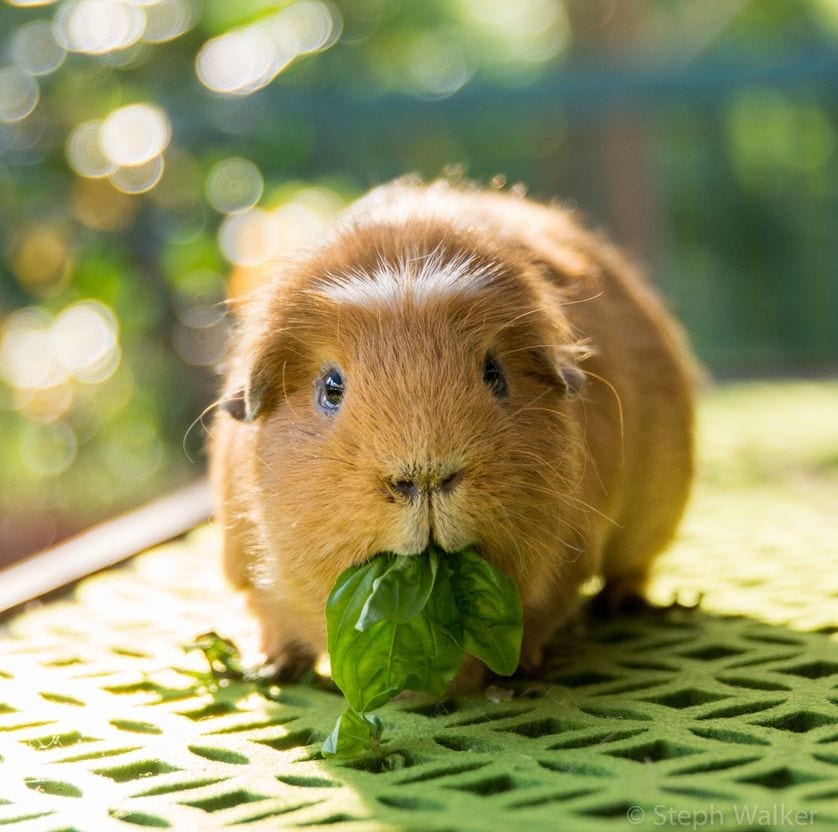
The Peruvian guinea pig is one of nature’s cutest creations. Most people in the west keep them as pets as they easily fit in any apartment and need minimal care. However, travelers flying over to South America need to understand that things work a bit differently over here. To the highland locals they are as important to local culture as the Machu Picchu Hike.
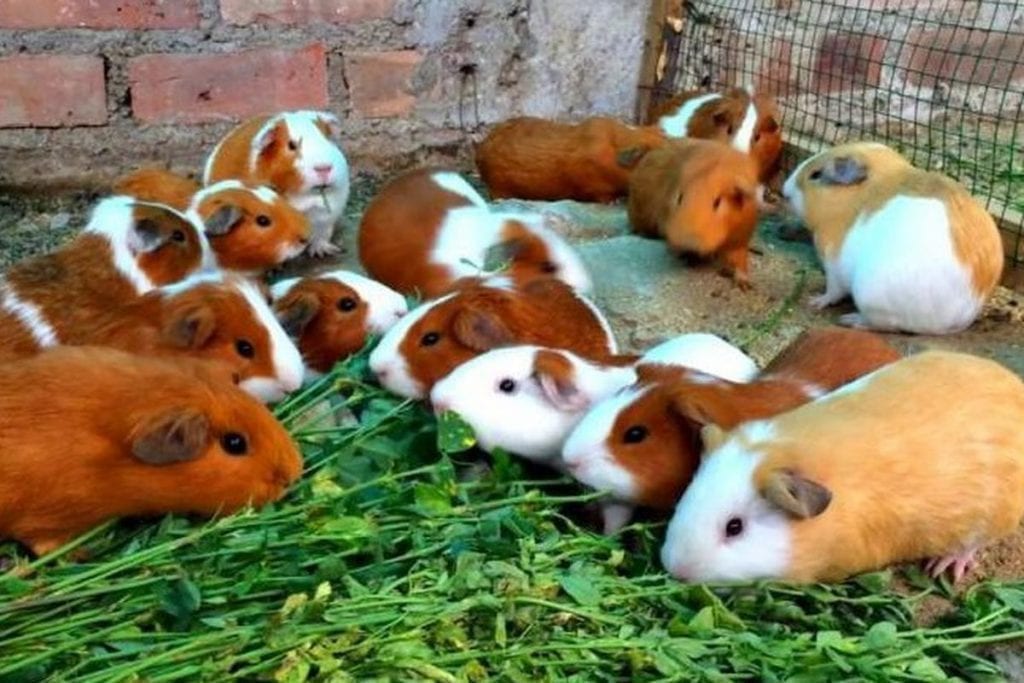
Now, just to set the scene, we are currently experiencing a culinary boom in Peru due in large part to our incredible variety of typical Peruvian dishes, but one tends not to receive much fanfare from international media, the Peruvian guinea pig.
These cute little rodents are increasingly showing up in the United States….and not just as pets.
Table of Contents
Peruvian Guinea Pig Dishes
South American restaurants serve a wide variety of dishes, and Peru is no different. With dishes ranging from muy muy (tiny sand crabs) to bats and even cats in some regions,the Peruvian guinea pig forms part of the local culture and is usually cooked whole, often grilled, sometimes even deep fried and served with a plethora of side dishes.
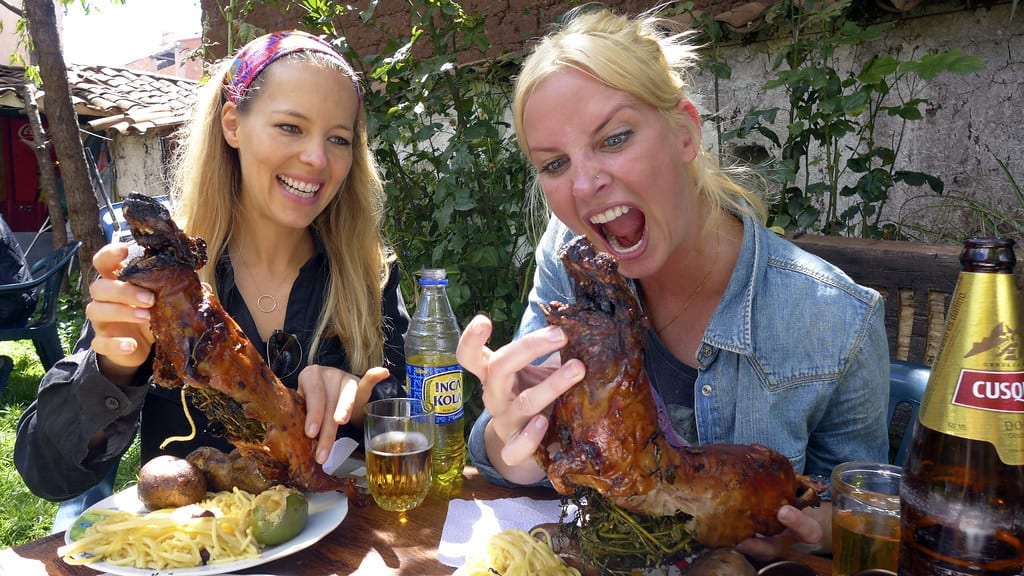
Many diners eat every last morsel, literally from head to toe, as guinea pig bones are quite small and easy to chew. So now that you’ve taken that all in, let’s look at the history of the guinea pig or cuy as it’s called in Peru.
This delicacy has been a gastronomical symbol for many centuries, dating back to the pre-Inca civilizations. Back then only high-ranking nobles could taste this delicious dish and some were even sacrificed to their pantheon of gods.
Witchdoctors and shamans even used their intestines to take a peek into the future or even used to cure some diseases. Nowadays though, guinea pigs are raised commercially and form an important part of the Peruvian diet, reason as to why Peru has declared it part of its National Patrimony.
This furry little animal has become so important that Peru’s Ministry of Agriculture and Irrigation, MINAGRI, declared the second Friday of the month of October of each year as National Cuy (Guinea Pig) Day to promote their consumption in all of Peru.
If you plan on making your Machu Picchu reservations for October try some adventurous and taste some of the local dishes.
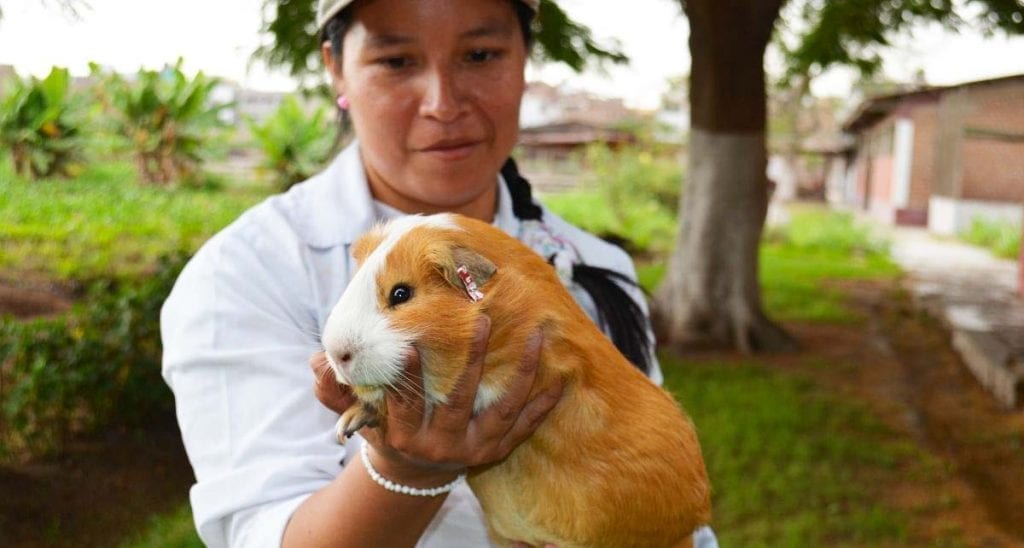
I know what you’re thinking, “why would I want to eat such a cute little thing?” Well, for one thing, it’s highly nutritional as it is high in protein and iron, great for people that need that extra edge at the gym.
It is also very low in fat and rich in Omega 3, minerals and vitamins. Some nutritionists even call it a super food, containing everything you need for your day and probably a bit more. You shouldn’t be scared to try something new just because of the way it looks, it’s definitely one of our favorites.
If you want to know anything more about Peru, Cusco and Machu Picchu Travel, check out the rest of our blog posts at Peru Travel Blog and be sure to follow us on Facebook and Instagram for our special packages.
Frequently Asked Questions About Peruvian Guinea Pig
Where do Guinea Pigs Come from?
Guinea pigs first appeared along the Andes Mountain Range.
Are Peruvian Guinea Pigs caught or farmed?
Peruvian guinea pigs today come from Guinea pig farms, much like any other livestock farm only much smaller.
Are guinea pigs safe to eat?
Guinea pigs in Peru are just as safe to eat as any other dish. They are farm raised and only feed on fruit, vegetables and seeds.
What does a guinea pig taste like?
It really depends on how it is prepared however the meat does taste a bit like a fatty chicken.
Do they serve guinea pigs everywhere in Peru?
No. This is considered a specialty dish so you have to go to a restaurant that specializes in making “Cuy”. It is much more common in the Peruvian highlands than in the coastal region.
How is the Peruvian guinea pig prepared?
There are many ways it can be prepared from rotisserie, baked, deep fried, stewed and even in friend rice.