Maras Salt
James Bustamante is Native to New York but born to Peruvian parents. He has been traveling throughout Latin America since early 2003 and finally made his home in Peru. James has made his way by eating and traveling through almost every country in Central and South America.
Last Updated on October 9, 2020 by James Bustamante
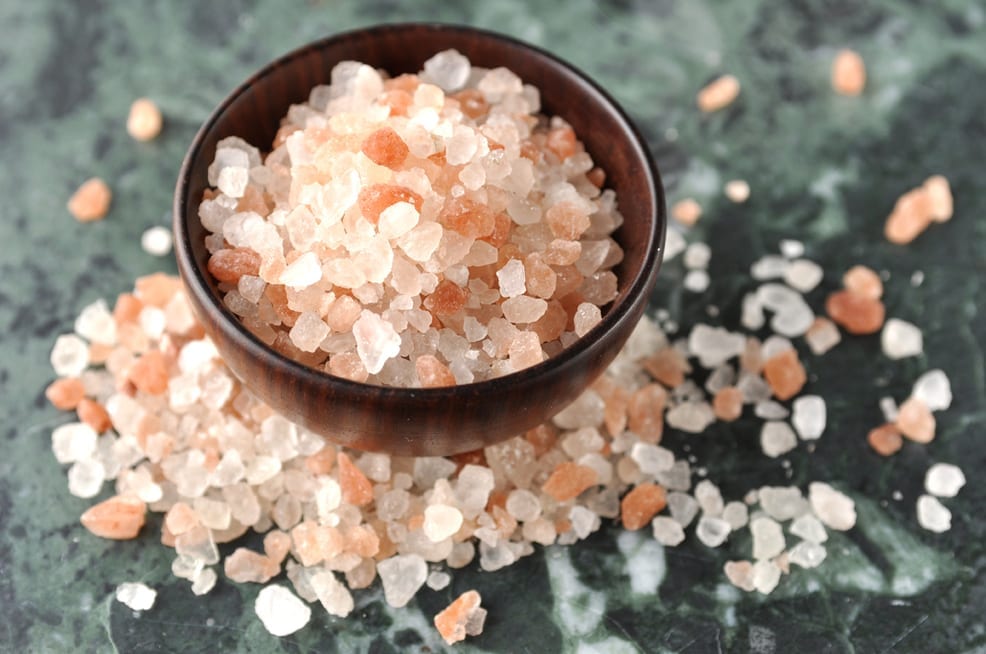
Maras Salt is one of the various minerals that Peru exports.
This one just happens to be used in food preparation, thus making it quite popular in the best kitchens around the world.
There is more to this amazing country than the Machu Picchu hike!
This particular day tour can be included within the first days you spend in Cusco.
It’s great for acclimatization since we’ll have to travel to a lower elevation than the city.
If you want this added to your Machu Picchu travel package make sure to include it within the first 48 hours of your itinerary.
Peru even now is living through a culinary boom with classic Peruvian dishes appearing all over the world.
But what about one of its most famous ingredients?
Many different products and ingredients are exported every year, including a tried and true mineral used in everyday cooking.
This is in reference to Pink Salt or Maras Salt of course. This salt is used all over yet not many know where it originates from.
Table of Contents
Location of Maras Salt Ponds
Did you know that some of the best salt in the world is produced in the middle of the Andes mountains?
This takes place hundreds of miles from any large body of saltwater in a very remote region of Peru.
Don’t worry, with the proper guidance just as easy as getting from Lima to Machu Picchu.
To know more about Maras salt we need to head over to the Urubamba region, located at roughly 1.5 hours from the city of Cusco.
In order to get to the Maras salt mines, we take a dirt road. This road happens to be well-maintained and easy to drive on making it very accessible for tourists.
The only issue is that it is practically a single-lane road This makes it so that you have to watch for oncoming traffic.
No worries though as there are various points at which you can pull over to let cars and busses pass.
After driving all over Peru on similar roads, most people will become accustomed to driving like this. If you’ve been to Lima and experienced Lima traffic then this is a cakewalk.
Additionally, if you’ve already taken the shuttle ride from Aguas Calientes for your Machu Picchu tours, well this is similar but without the overwhelming heights.
Mining and production are centered at the Salt Mines of Maras in the Sacred Valley, 40 kilometers from Cusco, Peru.
The town is well known for its nearby salt evaporation ponds which have been in use since the days of the Inca.
The salt-evaporation ponds for this pink mineral are up-slope, less than a kilometer west of the town.
Visiting On Your Own?
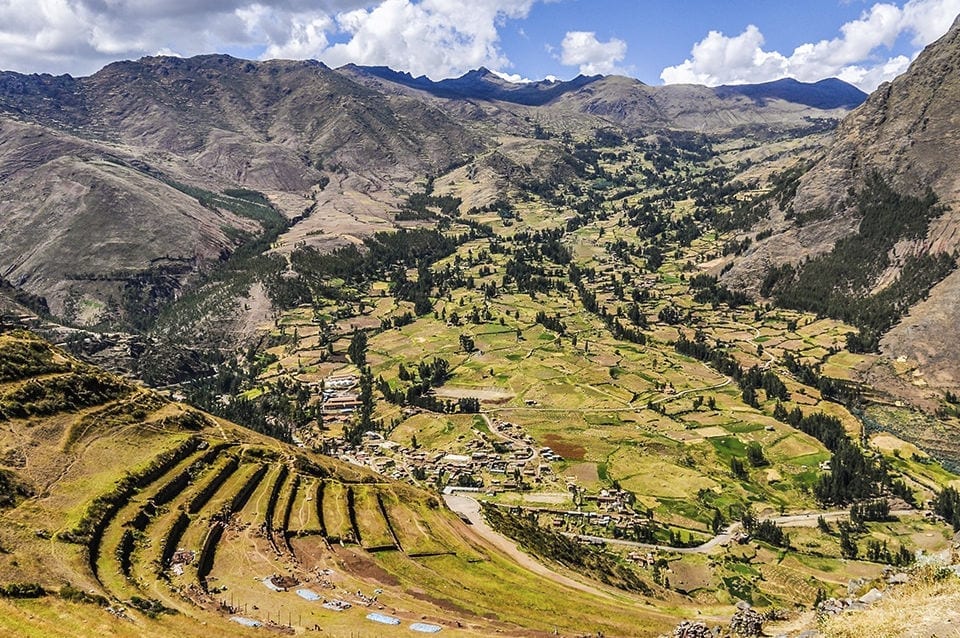
It is also possible to get there on your own, you can drive from the town of Calca to Urubamba.
You will then need to take the road towards Chincheros. Later on, you can turn off the road at the clearly-indicated detour for “Maras”.
Travelers Tip: Make sure your Machu Picchu reservations are scheduled for at least 3 days after your arrive into Cusco. This gives you plenty of time to take some of the day tours while you acclimate to the elevation before heading out to Machu Picchu.
The views along this road, like much of the Andes and the Sacred Valley, are absolutely stunning.
However, it is much safer and faster to go to the Salt ponds on a tour group with an experienced tour guide.
The guide can give you important insights into the rich culture and history of Maras.
If you plan on also taking a trip to visit Machu Picchu than it all the more certain you should join a group at this point.
The Process of Maras Salt
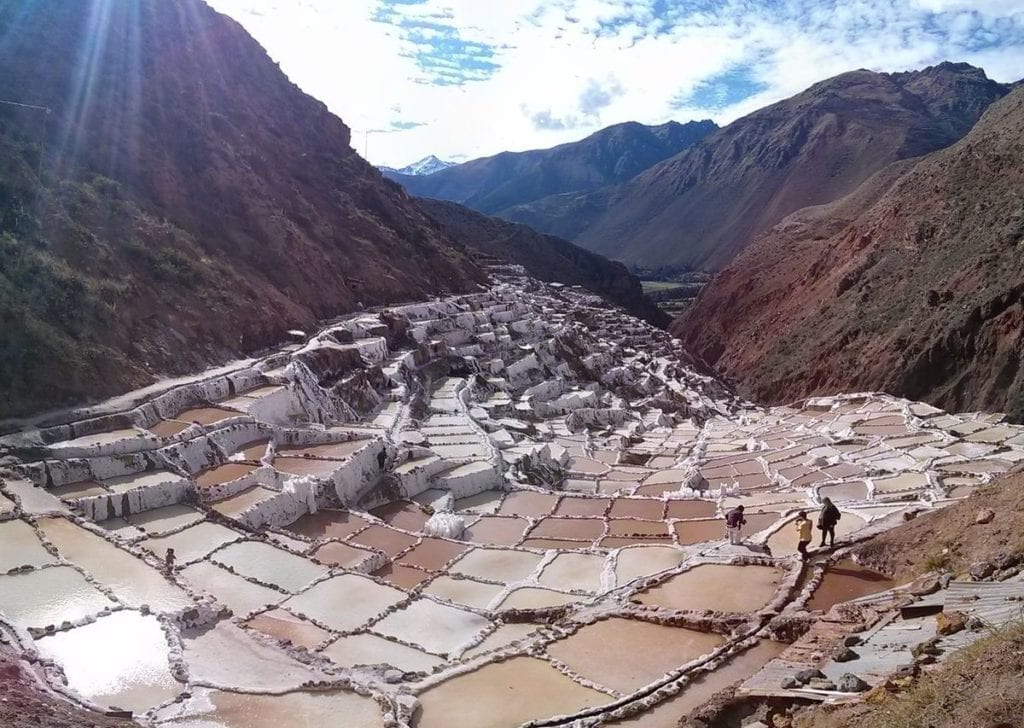
Since pre-Inca times, salt has been obtained in “Maras” by evaporating salty water from a local subterranean stream.
The highly salty water emerges at a spring which is a natural outlet of the underground stream.
The flow is then directed into an intricate system of tiny channels.
These were constructed so that the water runs gradually down onto the several hundred ancient terraced Maras salt ponds.
The result is a visually interesting series of terraced salt pools.
Conclusion
It is a great trip for the entire family, as you can walk all around the salt ponds and explore the mines.
It’s also a great way to show kids how salt is produced as well as learning that these salt mines have existed for centuries.
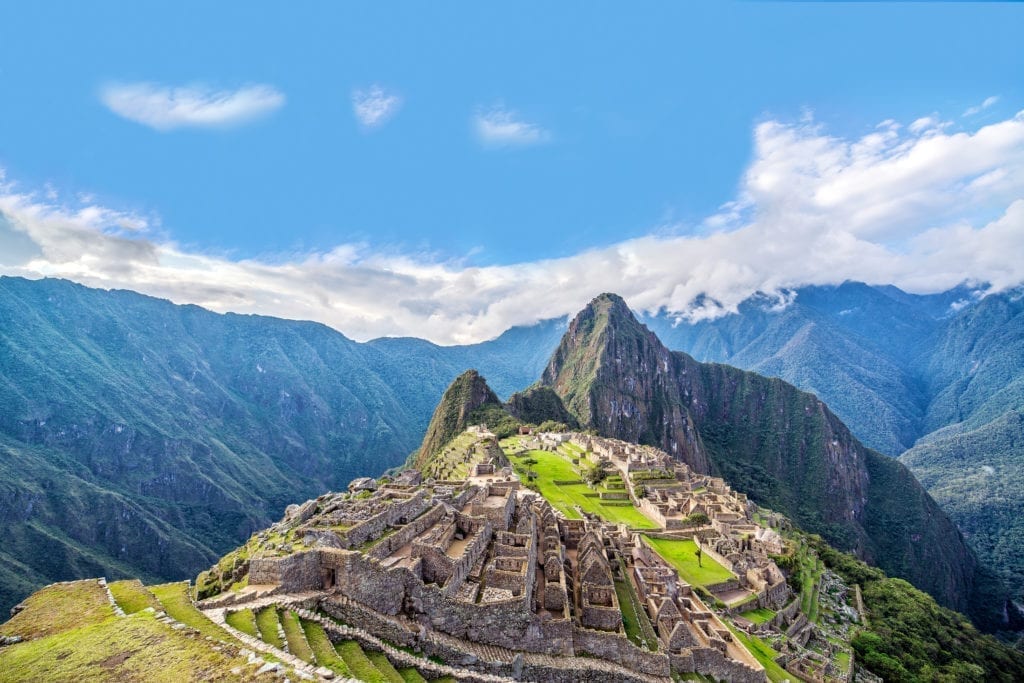
This is just one of many additional tours you can take when traveling to Cusco on your Machu Picchu travel package.
Make sure to check up on our blog regularly for more information on the wonderful country that is Peru!
Frequently Asked Questions About Maras Salt
Where does Maras salt come from?
Maras salt comes from “Maras” located in the Peruvian Andes just a few minutes from the Sacred Valley.
Can I visit the Maras salt mines?
Yes. Tour groups for the Maras salt mines are schedule for daily excursions so you can book one at any time.
Is Maras salt pink?
Yes. Maras salt has a pink color.
Does Maras salt come from the Andes?
Yes Maras salt originates in the Andes mountains.
Are there salt ponds in Maras?
Yes. This is how the salt is extracted from the natural springs.
How is Maras Salt produced?
Water from natural springs flow into pools where the water evaporates and exposes the Maras salt.