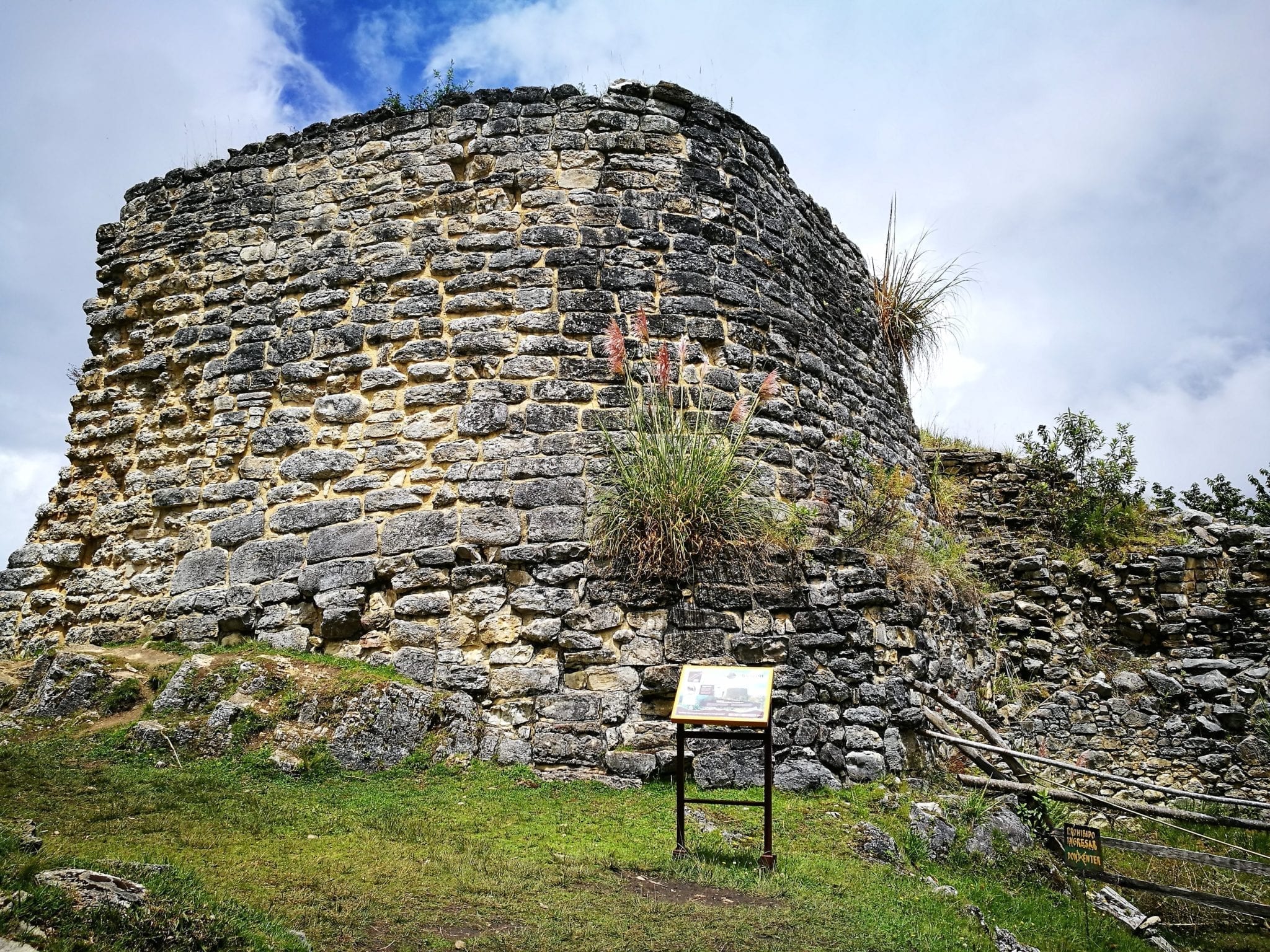
Kuelap in Chachapoyas
James Bustamante is Native to New York but born to Peruvian parents. He has been traveling throughout Latin America since early 2003 and finally made his home in Peru. James has made his way by eating and traveling through almost every country in Central and South America.
Last Updated on October 9, 2020 by James Bustamante
Kuelap in Chachapoyas is commonly referred to as the “other Machu Picchu”. It is really so much more than that though. It even has its own version of the Machu Picchu hike.
“La Fortaleza” or the fortress of Kuelap in Chachapoyas, was built on top of a high mountain. It is the most important archaeological site in the Peruvian mountainous jungle.
Upon arrival, visitors are presented with what seems like an impregnable location.
This is due to the Kuelap fortress being surrounded by high cliffs and steep drips on three of its four sides.
Kuelap is also built upon a spectacular landscape that features a unique location where the high Andes meet the Amazon rainforest.
Table of Contents
The Chachapoyas People
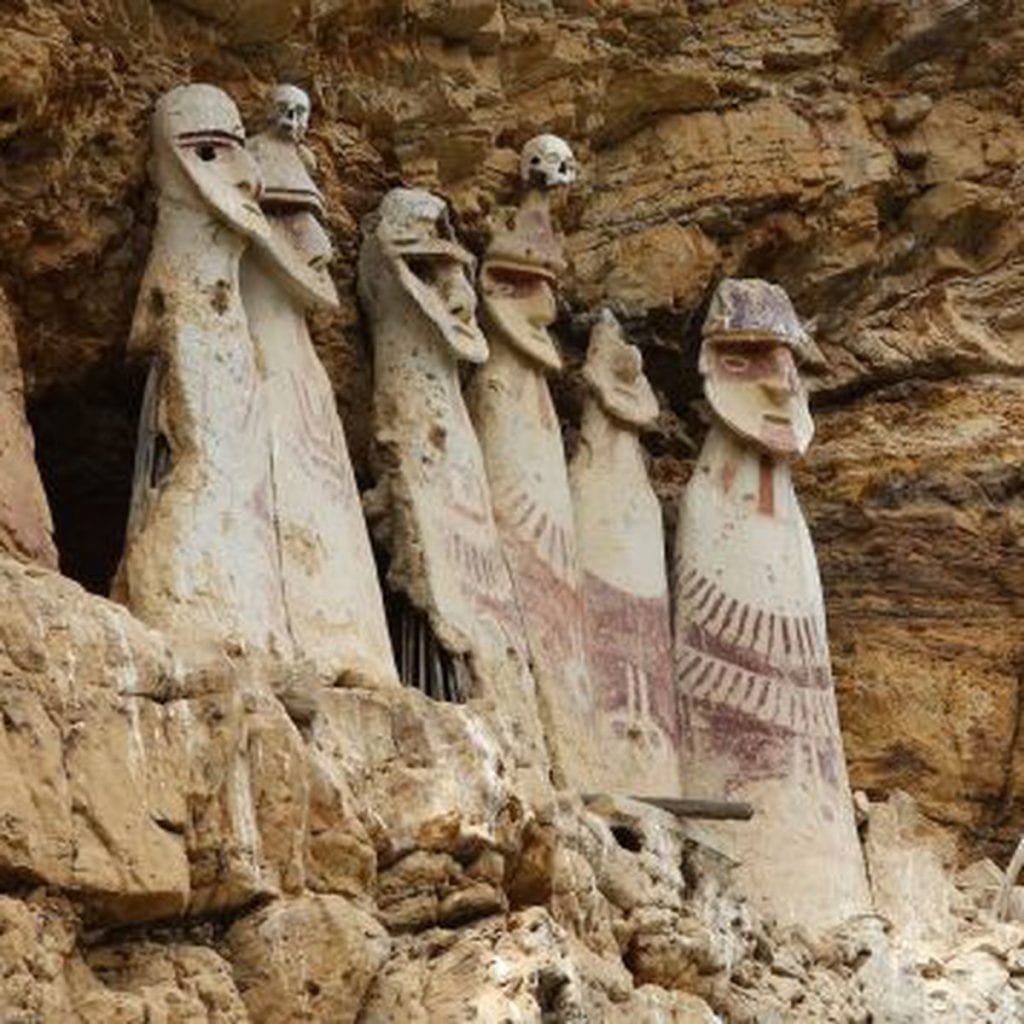
The fortress of Kuelap located in Chachapoyas was actually built and inhabited by the people referred to as “The Chachapoyas” (1000 to 1400 years AD).
This nation was comprised by a group of “curacazgos” which is the political organization whose ruler is knows as the “Curaca”.
The Chachapoyas culture left many beautiful monuments behind, all along the Utcubamba river.
Some of these include: The Olán, Yalapé, Purunllacta or Monte Peruvia, Gran Vilaya, Vira Vira, Karajía, Gran Pajatén and Leimebamba.
The names given to such monuments derive from the word “Sacha” which translates to forest and “phuyu” which means cloud.
Chronology of Kuelap
According to the researchers who specialize in the Chachapoyas culture.
The founders of Kuelap began its construction during the Late Intermediate period (1100 to 1450 AD) and extended during the late horizon period.
During this time period, the Chachapoyas lived under the rule of the Inca, this went on until around 1532 when the Spanish conquistadors arrived into Peruvian lands and overtook the ruling culture.
Kuelap Geographic location
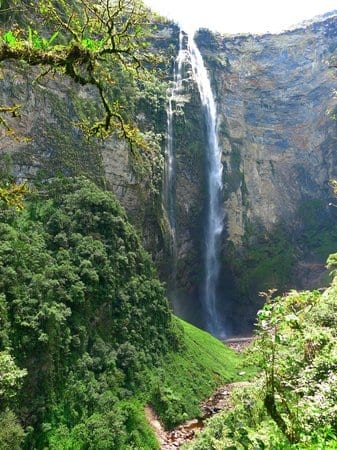
Kuelap is located in an area known as the high Utcubamba river valley.
This is very close to close to the Kuelap village in the district of Tingo, Luya Province in Amazonas (Peru) at 10,000 feet above sea level (3000 meters above sea level).
This area is actually similar in elevation to Cusco and higher compared to a Machu Picchu Travel.
Background in Kuelap
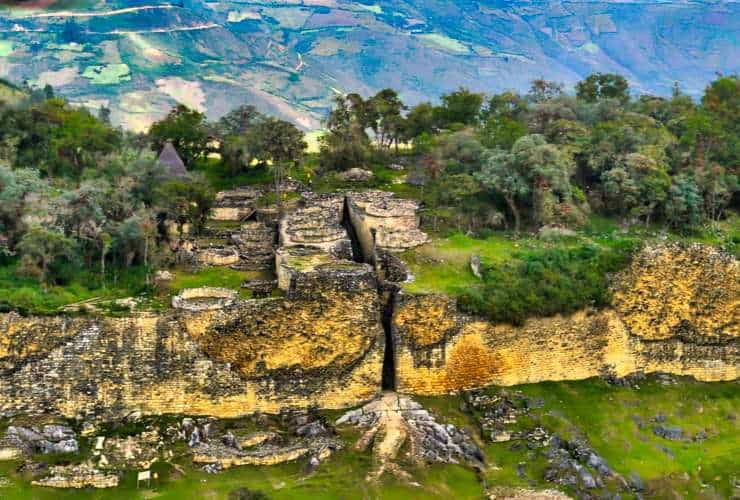
After the forced abandonment of Kuelap in 1532 at the hands of the Spanish conquistador Diego de Alvarado, the city was by all definitions, forgotten.
This took place until the year 1843 when a judge named Don Juan Crisóstomo Nieto, went to the city of Chachapoyas.
He was taken to this site to resolve a group of land disputes. When he arrived at the mountain he was met with quite the surprise.
Upon arrival, he noticed the massive walls carved into stone and several hundred houses.
It was so impressive that he wrote a report titled: “The Peruvian Tower of Babylon” for the Geographical Society of Lima.
In the next few years, this archaeological site of Kuelap received the interest of researchers such as the Italian scholar Antonio Raimondi in 1860, Charles Wiener, Adolph Banbelier, the Swiss geologist, Arturo Werthemann, Loors Langlots, Paul Henri Reichlen, and Alfredo Narváez, between 1985 and 1987, made a complete and detailed description of the site.
Description of Kuelap
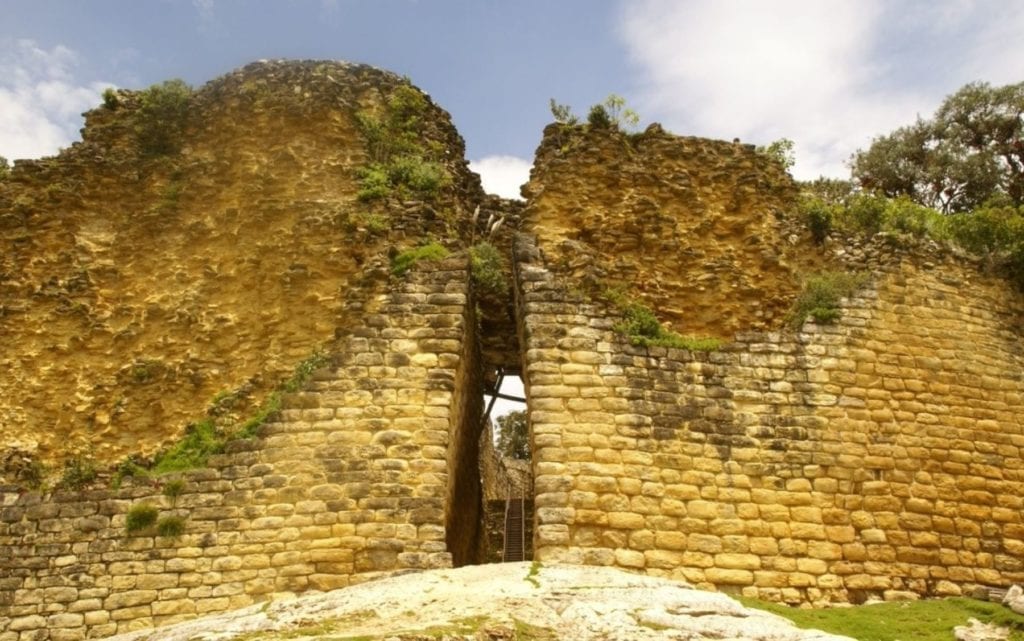
Kuelap is made up of two giant artificial platforms.
The city of around 450 hectares was built on these platforms which from above resemble the shape of an elongated bird’s wing facing.
Specialists concluded that in order to make this massive construction 25,000,000 cubic meters of material were needed to be moved.
It’s quite the accomplishment no matter how you look at it.
In addition to the houses found on site, there are also other structures known today as
“El Tintero”, “El Torreón” and “El Castillo”. Each of these structures has particular architectural characteristics.
Kuelap: El Torreon
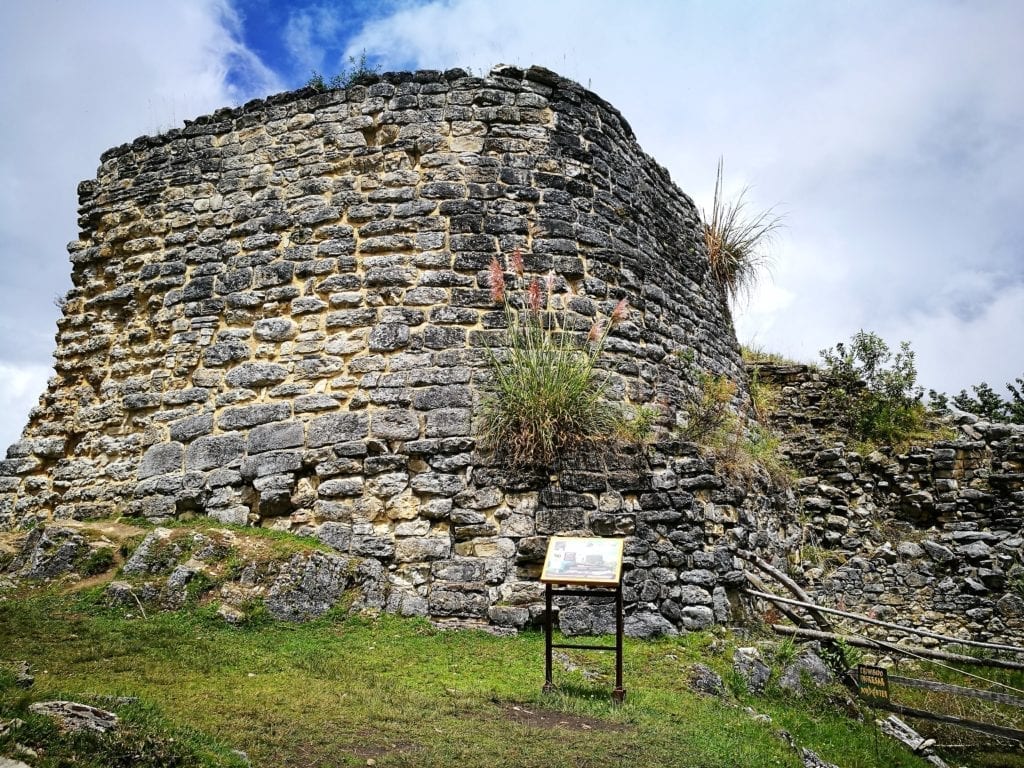
“El Torreón” is built on the second platform in Kuelap, this also happens to be the highest of the two.
It is a 22 foot (7-meters) high structure that was used for defense as a lookout post.
The panoramic view from “El Torreon” is said to be unbeatable thanks to the highlands/Amazon rainforest surroundings found in this area of Peru.
Kuelap: El Tintero
“El Tintero” is though to be a structure dedicated to rituals involving astronomy.
The structure has a particular shape similar to an inverted cone. “El Tintero” reaches 18 feet (5.5 meters) high with a base diameter of 41 feet (13.7 meters).
Inside this structure, you’ll find a chamber in the shape of a bottle.
According to researchers, this might mean that its purpose was to be a “Chulpa” or mausoleum. y
Kuélap is not the only structure built by the Chachapoyas in this region.
They actually built more “fortresses” and enclosures that are still under investigation by researchers.
Many of these fortresses lay largely untouched and covered by thick vegetation in difficult to reach areas of the rainforest.
Kuelap Architecture
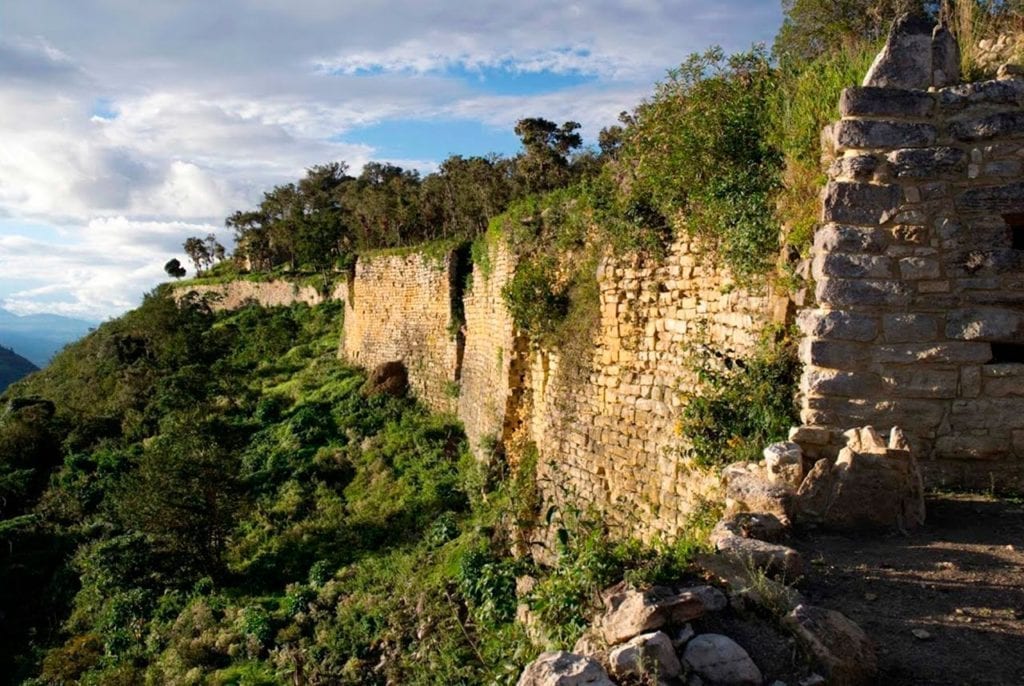
The main material for construction in Kuelap are unpolished edged limestone blocks, which present different qualities of finishes, the most elaborate being those for ceremonial constructions.
The Houses in Kuelap
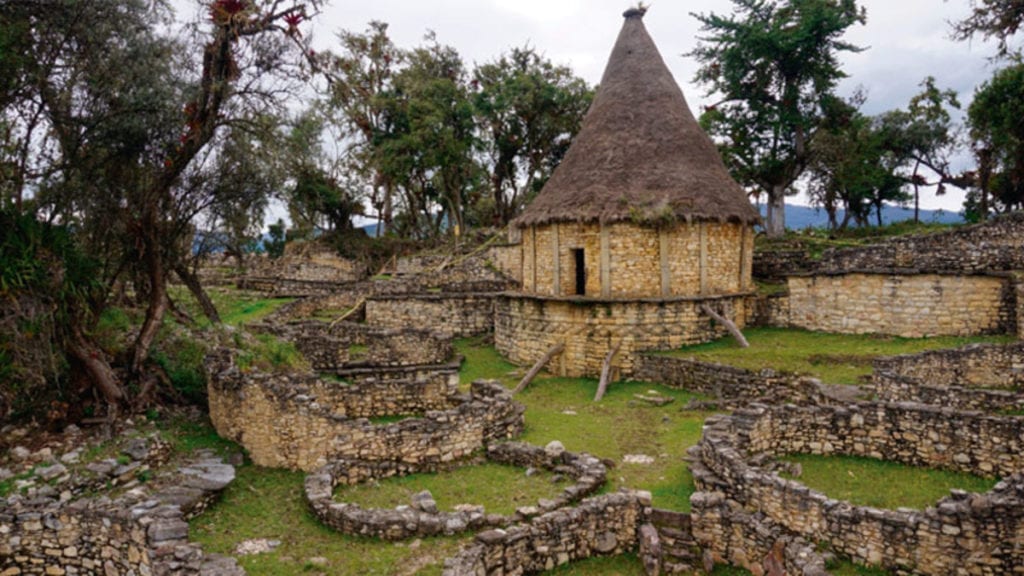
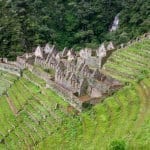
Inside the fortress there are about 505 structures considered to be homes, these are scattered and distributed in different areas as well as levels.
The majority of these homes have a circular shape except for 4 that have a rectangular shape and one that resembles a square on its base.
Just like with Machu Picchu tours, a few of the home structures have been rebuilt for the purpose of education and tourism.
The houses with a circular shape usually have a diameter of 22 feet (7 meters) on average the outside is covered with stones forming geometric figures that resemble birds and people.
Evidence shows that the interior of the Kuelap homes were plastered with clay from the nearby banks and were painted as well.
Kuelap Economy
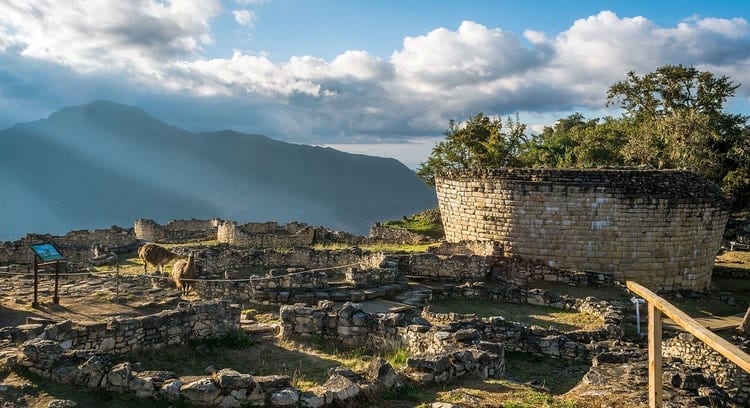
A city, like this, must have had a complete food supply system for its inhabitants.
The valleys near this site are fertile and lavish in agricultural products.
In the time of the Chachapoyas this meant cultivated corn (Zeamays), beans (Judíaphaseolus vulgaris), tarhui (Lupinus mutabilis Sweet), potato (Solanum tuberosum), achira (Canna edulis), mashua (Tropaeolum tuberosum), olluco (Ullucustuberosus), arracacha (Arracacia xanthorrhiza) and yacón (Polimniasonchifolia).
The Chachapoyas also had livestock they used for food like llamas, guinea pigs and others.
The Archaeological Complex “Fortaleza de Kuelap” was declared Cultural Heritage of Peru in 1998 favoring its protection and enhancement, which has in turn allowed a considerable increase in national and international tourism to this wonderful place, a jewel of Peruvian pre-Hispanic architecture.
Source: https://en.wikipedia.org/wiki/Kuélap
If you are interested in Kuelap or any other destination like making Machu Picchu reservations or a Peru tour package contact us with the form below.
Frequently Asked Questions About Kuelap
Where is Kuelap located?
Kuelap is located in the Chachapoyas region in Peru.
Is Kuelap similar to Machu Picchu?
Kuelap is a different structure but just as impressive. It is still partly undiscovered due to the lush vegetation of the terrain.
Where is Gocta falls?
Gocta falls is located in the Chachapoyas region of Peru.
What is Kuelap?
Kuelap seems to have served as a fortress and city for the Chachapoyas people.
Is Kuelap a cultural heritage site?
Yes. It was designated a cultural heritage site in 1998.
Is Kuelap open for tourism?
Kuelap is not as accesible as Machu Picchu but also offers guided tours of the complex. There is more planning involved but several groups go hike to Kuelap every year.