Intihuatana: The Sundial in Machu Picchu
James Bustamante is Native to New York but born to Peruvian parents. He has been traveling throughout Latin America since early 2003 and finally made his home in Peru. James has made his way by eating and traveling through almost every country in Central and South America.
Last Updated on November 19, 2020 by James Bustamante
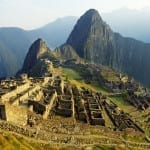
The Intihuatana or Sundial in Machu Picchu is one of the major attractions in the Inca city.
Machu Picchu is considered one of the dream destinations by the thousands of tourists it receives each year. Sometimes, travelers might be overwhelmed with all there is to see in the complex.
Intihuatana is one of the more important areas to see over the Machu Picchu hike. Let’s go over the details of the intihuatana or Machu Picchu Sundial.
Intihuatana is also known as the sundial in Machu Picchu. This structure is carved into stone and was used during the times of the Inca as a calendar.
Table of Contents
What Exactly is Intihuatana?
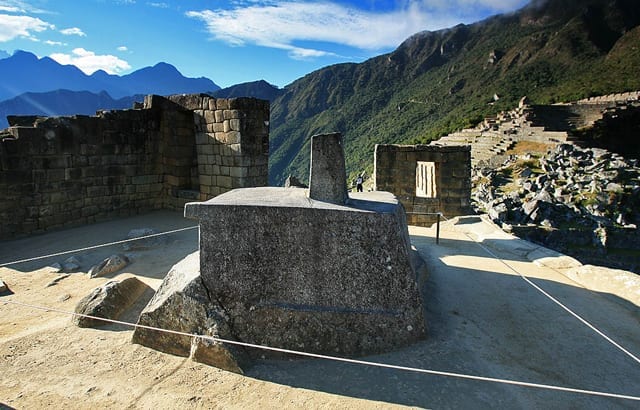
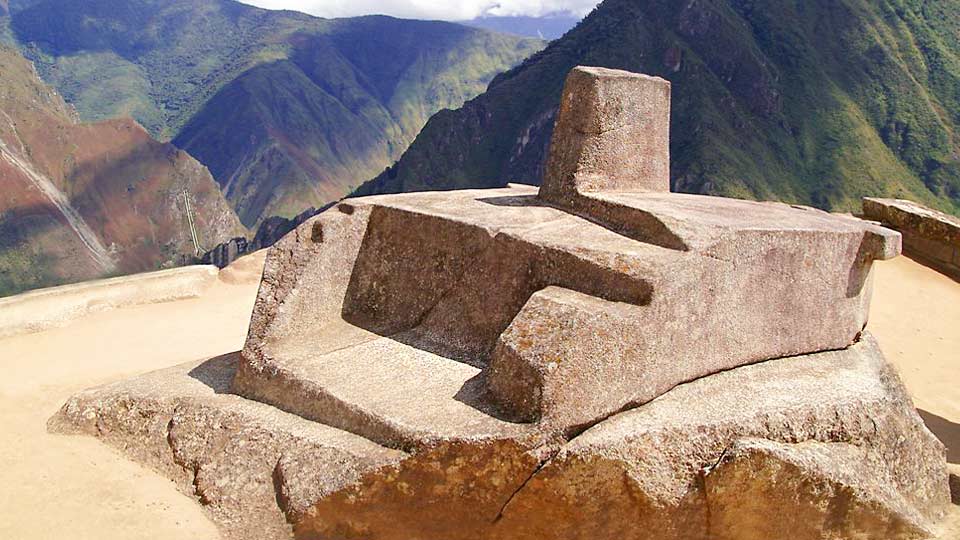
What Intihuatana looks like physically would be a polygon shaped is a lithic piece or a sundial. Each side of this monument casts shadows in relation to the location of the Earth to the sun, this also takes into account the different seasons throughout the year.
Intihuatana has a few stairs which were used by a priest when conducting religious ceremonies. There is also a table, carved from stone of course, this is said to have been used for offerings during the rituals taking place.
Intihuatana in Machu Picchu was apparently created for several reasons, the major idea behind Intihuatana was to observe the movements of the sun precisely.
Such observations of the sun included the “movement” of the sun, weather changes as well as the different seasons taking place.
The Name Intihuatana
The name Intihuatana is a word in the language of the Inca, also known as the Quechua language. The word for the monument consists of two of these Quechua words.
If we break it down “Inti” is the word for the Sun and “watana” means to tie up or hold. This is a direct reference to what the Machu Picchu Sundial was used for, basically to use the Sun as a guide for the weather and the change in seasons.
The Inca would use these set times of the year to have their sacred rituals. During the Machu Picchu tour this is one of the first points the guide will touch up on.
Description of Intihuatana
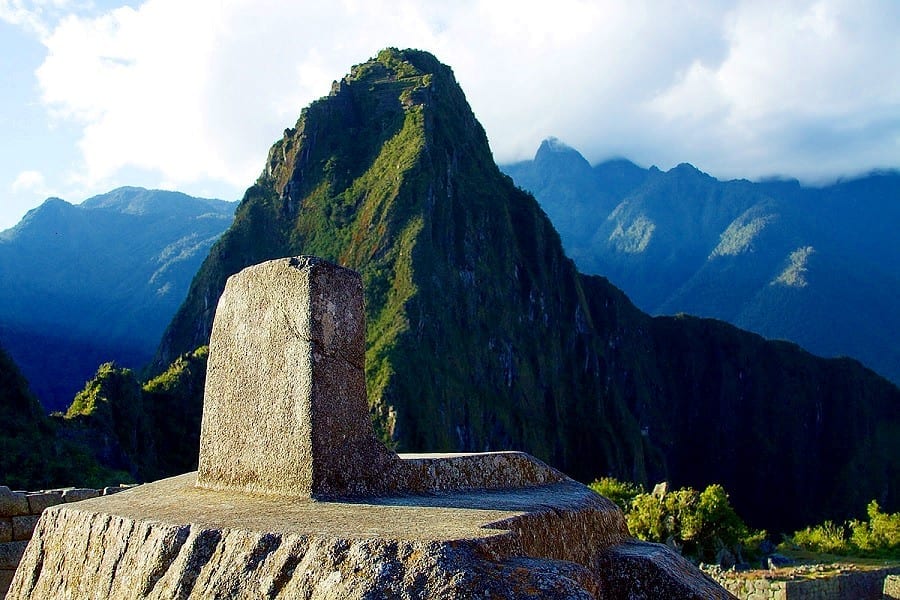
The sundial in Machu Picchu is a monolithic construction set in about 3 different levels. The upper portion of Intihuatana is a cylinder shape where the sun’s rays reach in order to make the Machu Picchu Sundial.
This cylinder has 4 different walls which each face a different cardinal point: North, South, East and West.
Since Intihuatana receives the sun’s rays directly it is locally believed that this monolith radiates a type of energy. Again, this sacred sundial was used for religious ceremonies so there might be something to the local claim.
Part of the sundials’s attraction is having visitors get their hands close to it to see if they can feel this energy emanating from the Sundial.
Previously tourists were allowed to place their hands directly onto the Inca monolith, this practice however was discontinued due to the high volume of incoming travelers.
Uses For Intihuatana in Machu Picchu
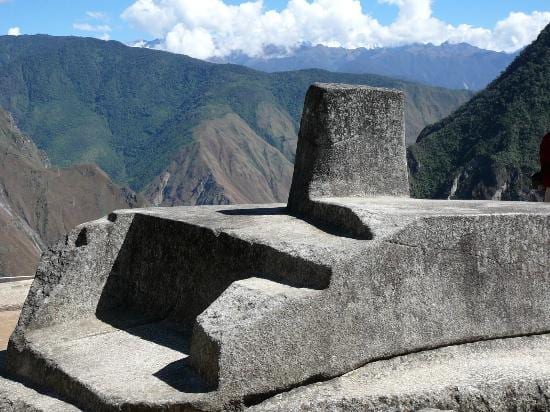
Intihuatana is said to have been used by the Inca, mainly for religious offerings and other rituals. This includes using it as a calendar that marked the different agricultural seasons.
The Inca used the Machu Picchu sundial to pinpoint the correct times of the year to plant and harvest their crops. All this was planned according to the shadow cast on the sundial from the sun’s rays.
To the native Inca the Sun (Inti) was their main god, the ruler of all the Inca, so this monolith was a sacred tool with messages coming directly from the Inca’s all mighty.
Finding Intihuatana in Machu Picchu
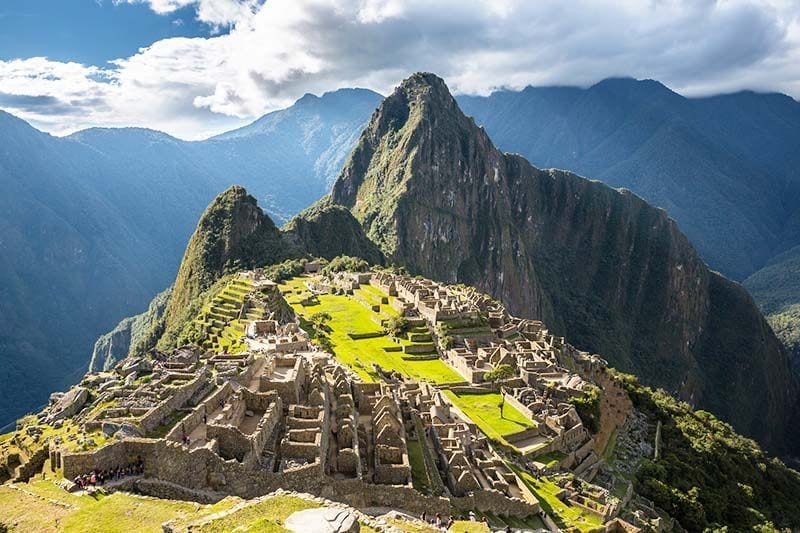
If you are looking for Intihuatana and you are not in one of our guided Peru tour package groups then look no further.
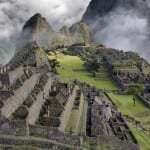
The Machu Picchu sundial can be found in the Hanan area of Machu Picchu, It is located near a hill designed to form a pyramid shape.
There are two different stairs leading directly to Intihuanata, one coming from the north of the Machu Picchu complex and one coming from the south.
If you are indeed booked into one of our Machu Picchu reservations then it is an obligatory destination within the guided tour.
Visit The Sundial
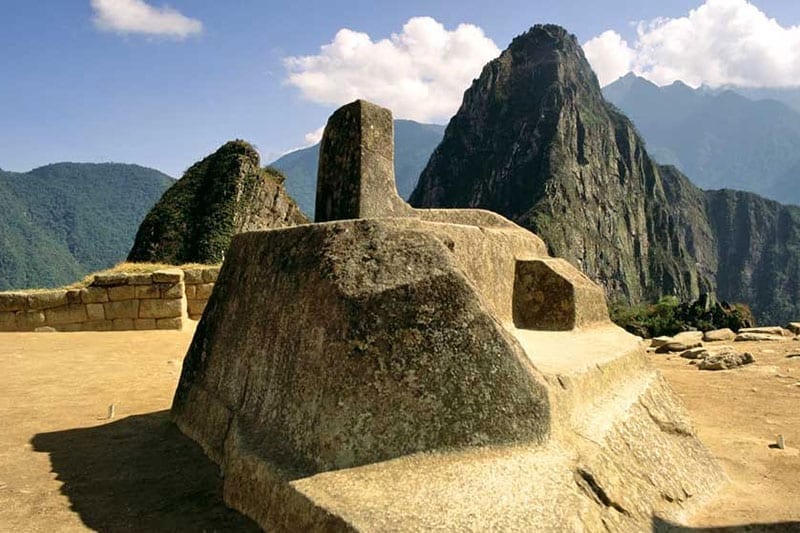
Intihuatana is included in your Machu Picchu ticket since it is part of the complex so there is no “extra” permit necessary.
It is actually one of the major locations within Machu Picchu as part of our Machu Picchu travel guided tour of the complex
Just as a side note. There are multiple versions of the Machu Picchu entrance permit. Most new travelers will usually choose the “Machu Picchu solo” or “only Machu Picchu” permit when given the option.
This is usually a mistake on the travelers behalf, it is best to choose the Machu Picchu ticket with the option to hike one of the additional treks of Huayna Picchu or mount Machu Picchu.
Remember that this might be a once in a lifetime trip to Machu Picchu and you will want to get all the hikes that you possibly can.
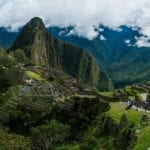
That photograph of Machu Picchu from up top you see in so many professional level pictures will be taken from either the peaks of Huayna Picchu or Mount Machu Picchu, so if you have the time and energy we recommend you pick one. All permits include access to the Machu Picchu sundial, Intihuatana.
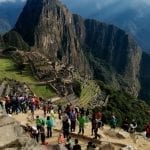
Adding to the side note, there is a large influx of travelers visiting Intihuatana at all times. Due to this, the Machu Picchu sundial has strict visitation times from 7:00 am to 10:00 am and there are no visitations outside of that schedule.
As we always say, if you have the option, try to get the morning shifts when you visit Machu Picchu.
The Sundial in Pisac
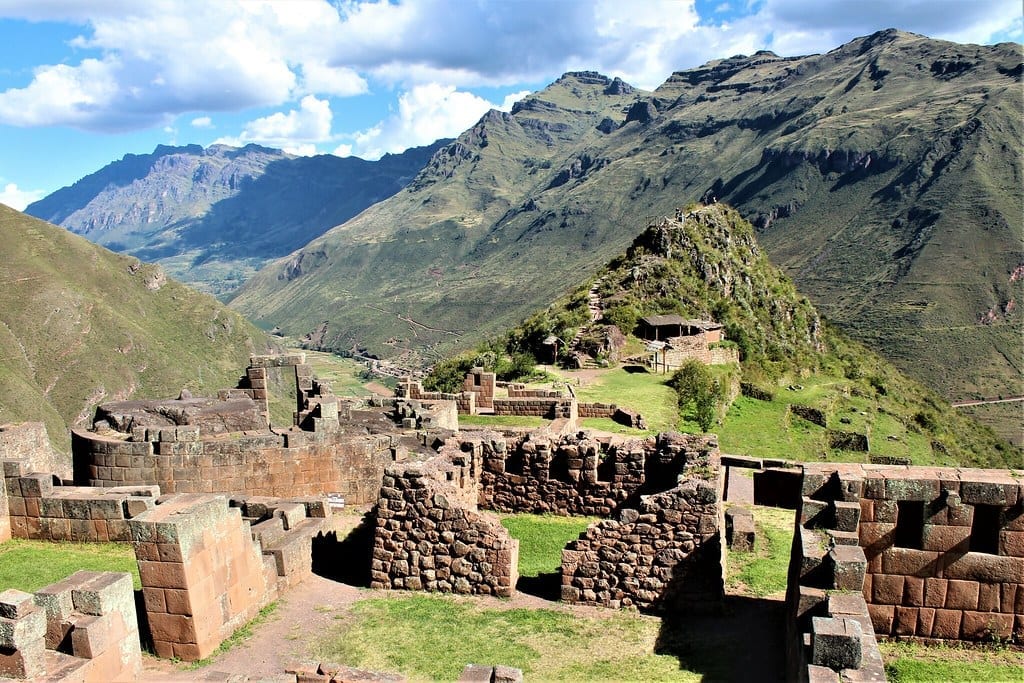
About an hour outside of Pisac (near Cusco) there is another, very important Intihuatana, The Intihuatana in Pisa. This rectangular shaped monolith also carved into stone is located on a hill in Pisac.
The shape and general structure is very similar to the Intihuatna found in Machu Picchu. The sundial found in Pisac is also considered a temple of the sun and is supposed to be just as important to the Inca as the one found in the stone city.
Additional Information on Intihuatana
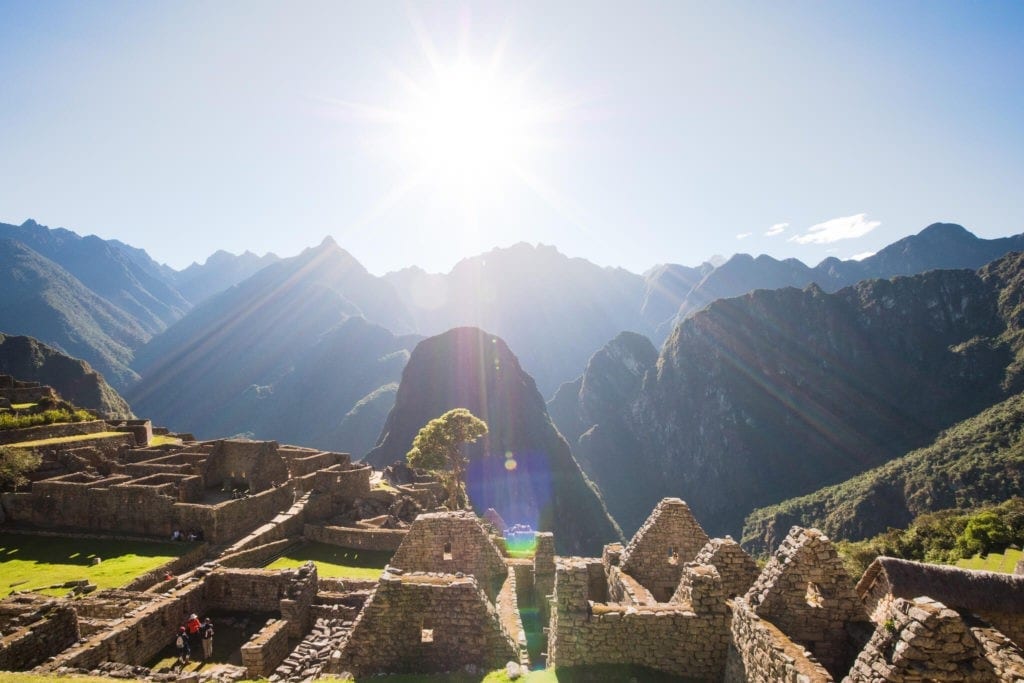
The Intihuatana, Machu Picchu sundial is considered one of the more important and popular locations within the Machu Picchu structure.
Remember that you can also visit the Intipunku (Sungate) as well as the temple of the three windows, temple of the Condor and several other sites with our guided tour. These are all included in the 4 day Inca trail to Machu Picchu as well.
As mentioned above, touching the Intihuatana temple was previously allowed, however now it is not permitted.
Now travelers are allowed to merely get close to the monolith in order to see if they can feel the power emanating from this Inca structure.
Due to the fact that there were too many visitors in the Intihuatana temple at any given time, the visiting schedule was reduced to 7:00 am to 10:00 pm. There were just too many travelers at the temple at any given time.
Frequently Asked Questions About Intihuatana
What is Intihuatana?
It is a monolith, a sundial in Machu Picchu used for ceremonial purposes by the Inca.What was Intihuatana used for?
Intihuatana in Machu Picchu was used for religious ceremonies involving the change in seasons and weather.
Who made Intihuatana?
The Inca made Intihuatana.
What does Intihuatana mean?
“Inti” means the sun in Quechua and “watana” means to hold or grab.
Was Intihuatana used as a calendar?
Yes. Intihuatana was used by the Inca as a calendar for the different seasons and the changes in weather.
Why did the Inca need Intihuatana?
The Inca used Intihuatana to correctly plan when to plant and harvest their crops.